20-Minute Workouts: Effective Training for a Busy Schedule
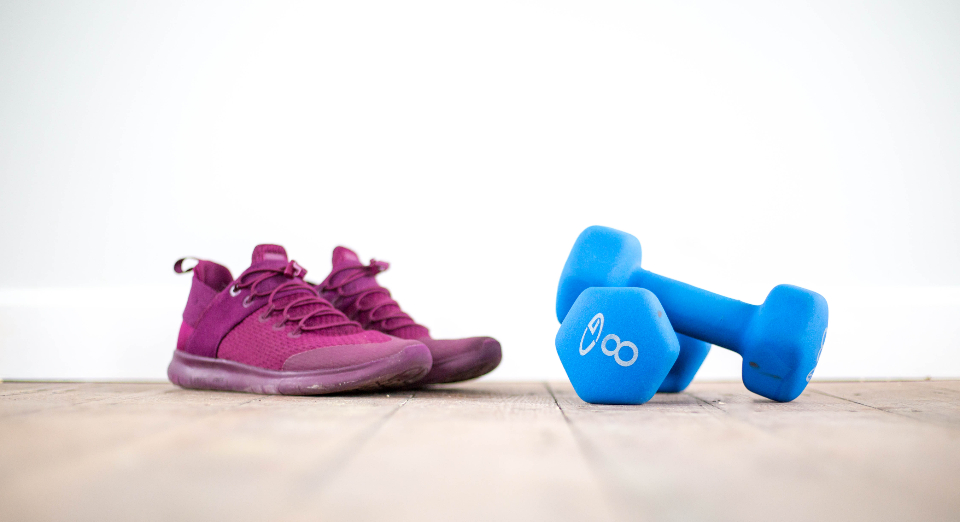
“I don’t have time to work out” is one of the most common reasons people give for skipping exercise, and it’s understandable — between work, family, and everything else competing for attention, an hour at the gym can feel unrealistic on a regular basis. The good news is that research increasingly supports a more forgiving reality: shorter, well-structured workouts can produce meaningful fitness benefits, especially compared to no exercise at all.
The WHO’s guidance of 150-300 minutes of moderate activity per week (or 75-150 minutes of vigorous activity) breaks down to as little as 20-25 minutes a day, and it can be met through several shorter sessions rather than one long workout. Twenty minutes, done consistently and with reasonable intensity, is genuinely enough to build and maintain fitness for most people.
Can 20 Minutes Really Be Enough?
For general health and fitness maintenance, yes, particularly when the workout uses time efficiently — compound movements, minimal rest between exercises, and consistent effort. Research consistently shows that shorter, higher-intensity sessions can produce cardiovascular and strength benefits comparable to longer, more moderate sessions, especially for people starting from a lower baseline of fitness.
It’s worth being realistic about limits: 20 minutes is unlikely to be optimal for someone training for a specific athletic performance goal or aiming to maximize muscle growth, where more total volume tends to help. But for general health, weight management support, and maintaining strength and cardiovascular fitness, it’s a legitimately effective amount of time when used well.
- Meets or contributes significantly toward WHO weekly activity recommendations
- Effective for general health, cardiovascular fitness, and strength maintenance
- Less optimal than longer sessions for advanced athletic or maximal muscle-building goals
- Consistency across the week matters more than any single session’s length
What Makes a 20-Minute Workout Effective
Time efficiency is the whole game here. The most effective short workouts prioritize compound, multi-joint movements (squats, push-ups, rows) over isolation exercises, minimize rest between sets, and maintain genuine effort throughout rather than treating the session casually.
Circuit-style training — moving between exercises with little rest — is a particularly time-efficient structure, since it combines strength and cardiovascular demand into the same session. Interval-style cardio (alternating higher and lower effort) is similarly efficient compared to steady, moderate-pace cardio when time is limited.
- Prioritize compound movements that train multiple muscle groups at once
- Keep rest periods short (30-60 seconds) to maintain intensity and save time
- Use circuit or interval structures rather than single-exercise, long-rest formats
- Warm up briefly (2-3 minutes) rather than skipping it to save time — injury costs far more time than a short warm-up
Sample 20-Minute Workouts
These require minimal equipment and can be adapted based on available space and fitness level. Repeat each circuit 3-4 times through, resting briefly between rounds as needed.
- Full-body strength circuit: squats (12-15 reps), push-ups (8-12 reps), bent-over rows or resistance band rows (12 reps), plank (30-45 seconds) — minimal rest between exercises
- Cardio interval session: 30 seconds high effort (jumping jacks, high knees, or running) followed by 30-60 seconds lower effort, repeated for the full 20 minutes
- Lower-body focused: lunges, glute bridges, squats, and calf raises, cycling through with minimal rest
- Bodyweight-only option: burpees, mountain climbers, push-ups, and sit-ups in a rotating circuit
How to Fit Short Workouts Into a Busy Week
The practical advantage of 20-minute sessions is flexibility — they fit into a lunch break, before work, or between other obligations far more easily than an hour-long commitment. Some people find splitting activity into two 10-minute sessions works just as well when a single 20-minute block isn’t available.
- Schedule workouts like any other appointment, ideally at a consistent time of day
- Keep equipment minimal and accessible (a mat, one or two dumbbells) to reduce setup friction
- Have 2-3 go-to routines memorized so you’re not planning a workout from scratch each time
- Aim for most days of the week rather than trying to make up for missed days with longer sessions
- Track completion simply (a checkmark on a calendar) to build momentum through visible consistency
When You Should Aim for Longer Sessions
Twenty-minute workouts are a strong foundation, but people with specific goals — building significant muscle mass, training for an endurance event, or working toward advanced strength benchmarks — will generally benefit from longer or more frequent training over time as they progress. Short workouts are an excellent starting point and a sustainable baseline, not necessarily a permanent ceiling.
If your schedule opens up on certain days, extending a session to 30-45 minutes for extra volume is a reasonable way to add training stimulus without needing to restructure your entire approach.
Is a 20-minute workout better than nothing?
Substantially, yes. Research consistently shows meaningful health benefits from moving from no regular activity to even modest, consistent amounts, and the gap between zero exercise and 20 minutes is far larger than the gap between 20 and 60 minutes.
Can I build muscle with only 20-minute workouts?
Yes, particularly for beginners and intermediate lifters, as long as intensity and progressive overload are maintained. More advanced lifters may eventually need more volume to keep progressing, but meaningful muscle gain is achievable with efficient shorter sessions.
How many days a week should I do 20-minute workouts?
Most guidance suggests aiming for most days of the week (5-6) for general health benefits, though even 3-4 consistent sessions weekly provide meaningful benefit compared to inactivity.
Do I need equipment for an effective 20-minute workout?
No. Bodyweight-only circuits can be highly effective, especially for general fitness goals. A resistance band or a pair of dumbbells adds versatility but isn’t required to get real benefit.
Staying Motivated With Short Sessions
One underappreciated benefit of 20-minute workouts is how much easier they are to stick with long-term. A long, demanding workout that gets skipped repeatedly provides less total benefit than a short one that actually happens consistently week after week. Removing the psychological barrier of “I need a full hour” often means the difference between an exercise habit that survives a busy month and one that quietly disappears.
It also helps to vary the specific exercises within your short-workout rotation every few weeks to prevent boredom, while keeping the overall time commitment and structure the same. This keeps the routine sustainable without requiring you to reinvent your approach to fitness every time your schedule gets busier.
Affiliate & medical disclosure: This review is independent and for information only, not medical advice. Some links may be affiliate links; we may earn a commission at no cost to you, which never affects our score. Consult a licensed provider before starting any product.