Unilateral Training: Why Single-Limb Exercises Fix Muscle Imbalances
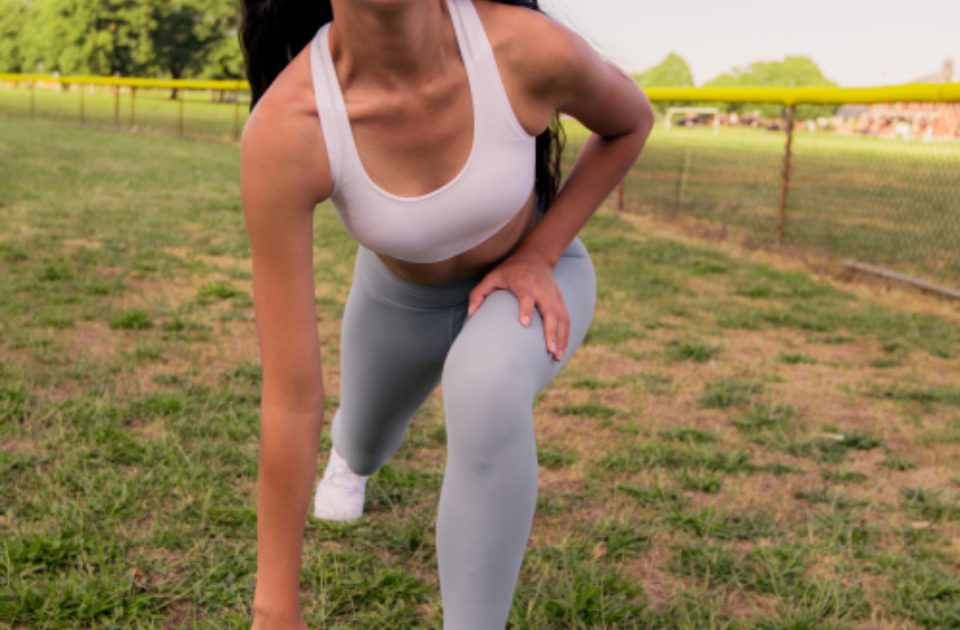
Most gym programs default to bilateral exercises — barbell squats, bench presses, leg presses — where both limbs work together under one shared load. It’s efficient, but it also lets a stronger side quietly compensate for a weaker one, sometimes for years, without ever being detected.
Unilateral training, meaning exercises performed one limb at a time, closes that loophole. It’s not a replacement for bilateral lifting, but it exposes and corrects imbalances that two-limb exercises are structurally prone to hiding.
What Unilateral Training Actually Means
Unilateral exercises train one arm or one leg independently of the other — think single-leg deadlifts, walking lunges, single-arm rows, or step-ups — as opposed to bilateral exercises like a barbell squat or bench press, which load both sides simultaneously through a shared bar or shared base of support.
Because each limb must generate and control its own force independently, unilateral exercises typically demand more balance, core stability, and coordination than their bilateral counterparts, even at a given relative weight.
Why Bilateral Exercises Can Hide Imbalances
In a bilateral lift, if one leg or arm is meaningfully stronger than the other, the stronger side can subtly take on more of the load without this being obvious to the lifter or even always visible to an observer. Over months and years of training this way, the strength gap between sides can persist or even widen, since the stronger side keeps getting slightly more of the work.
This matters beyond aesthetics. Research consistently shows that meaningful side-to-side strength asymmetries are associated with increased injury risk in sport and general movement, particularly in the lower body, since an imbalanced base of support changes movement mechanics under load or during quick directional changes.
- Bilateral lifts allow a stronger limb to unconsciously compensate for a weaker one.
- Persistent asymmetries can widen over time rather than self-correct.
- Significant strength asymmetry is linked to elevated injury risk, especially in the lower body.
Additional Benefits Beyond Correcting Imbalances
Unilateral training isn’t just corrective — it also builds functional qualities that many bilateral lifts don’t emphasize as directly. Because you must stabilize your own body weight on one leg or brace your core against an asymmetrical load, unilateral exercises train balance and core control as a built-in side effect of the main movement.
- Improved balance and proprioception, valuable for athletic performance and fall prevention as people age.
- Greater core engagement, since the body must resist rotation and lateral shifting during single-limb movements.
- Better carryover to real-world movement, since walking, running, and climbing stairs are inherently unilateral actions.
- Reduced total spinal loading compared to some heavy bilateral lifts, which can be useful for people managing back sensitivity.
How to Identify Your Own Imbalances
You don’t need special equipment to get a rough sense of whether you have a meaningful side-to-side imbalance. Comparing how a moderate weight feels, looks, and moves on each side during a simple unilateral exercise is often revealing, especially with a mirror or a training partner watching your form.
- Try a moderate-weight single-leg Romanian deadlift or split squat on each side and compare stability and effort.
- Notice if one side of a bilateral lift consistently feels or looks like it’s working harder, shaking more, or losing form first.
- Track working weights for unilateral exercises separately for each side over a few weeks to spot a persistent gap.
How to Apply This: Adding Unilateral Work to Your Program
You don’t need to abandon bilateral lifts to correct imbalances — the two work well together in a balanced program.
- Keep your primary bilateral lifts (squat, deadlift, bench, row) as the foundation of your strength program.
- Add 1-2 unilateral exercises per major muscle group each week: split squats, single-leg RDLs, single-arm rows, or step-ups are good starting points.
- If you identify a clear imbalance, start the unilateral exercise with your weaker side first, and match reps on the stronger side to the weaker side’s output rather than the reverse.
- Progress unilateral exercises gradually, since balance and stabilization demands mean lower loads often feel more challenging than expected at first.
- Reassess side-to-side symmetry every 6-8 weeks to track whether the gap is closing.
Who Should Pay Extra Attention to Unilateral Training
Athletes in single-leg-dominant sports (running, soccer, basketball, tennis) benefit particularly from unilateral strength work, since these sports place asymmetrical demands on the body that bilateral gym training alone doesn’t replicate well. People recovering from a previous injury on one side, or those who’ve noticed a visible size or strength difference between limbs, are also good candidates for prioritizing unilateral work.
Older adults benefit substantially too: unilateral exercises that challenge balance and single-leg strength are directly relevant to fall prevention, one of the more significant health concerns as people age. As always, individual injury history and current mobility should guide how quickly to progress, and anyone recovering from a specific injury should get guidance from a physical therapist before adding challenging single-limb work.
Common Mistakes With Unilateral Exercises
The most frequent technical mistake is letting the hips and torso rotate or lean to compensate for instability, which quietly reduces the amount of work the target leg or arm actually has to do. Watching your form in a mirror or recording a short video from the side and front can reveal compensations that are hard to feel in the moment.
Another common error is progressing load too quickly before balance and control are solid, which increases fall and injury risk during exercises like single-leg deadlifts or rear-foot-elevated split squats. It’s generally better to master a controlled, stable range of motion at a lighter weight before adding significant load.
- Letting the hips or torso rotate to compensate for a weaker or less stable side.
- Progressing weight before balance and control are consistently solid.
- Neglecting to train the weaker side with slightly more attention and volume when a clear imbalance exists.
Should beginners do unilateral training?
Yes, though starting with simpler variations (like split squats before single-leg deadlifts) and lighter loads helps beginners build the balance and coordination unilateral exercises demand before adding significant weight.
Can unilateral training replace bilateral lifts entirely?
It’s not necessary or generally recommended to replace bilateral lifts entirely. The two approaches complement each other, with bilateral lifts typically allowing heavier overall loading and unilateral work addressing balance, stability, and side-to-side imbalances.
How long does it take to fix a strength imbalance?
It varies by the size of the imbalance and training consistency, but many people see meaningful improvement within 8-12 weeks of consistently prioritizing the weaker side in unilateral exercises.
Is some side-to-side difference in strength normal?
Yes, minor asymmetry is common and not usually a concern. The issue arises with larger, persistent gaps, particularly ones associated with pain, instability, or a history of one-sided injury.
Affiliate & medical disclosure: This review is independent and for information only, not medical advice. Some links may be affiliate links; we may earn a commission at no cost to you, which never affects our score. Consult a licensed provider before starting any product.