Forest Bathing and Nature Exposure: What the Evidence Says About Time Outdoors
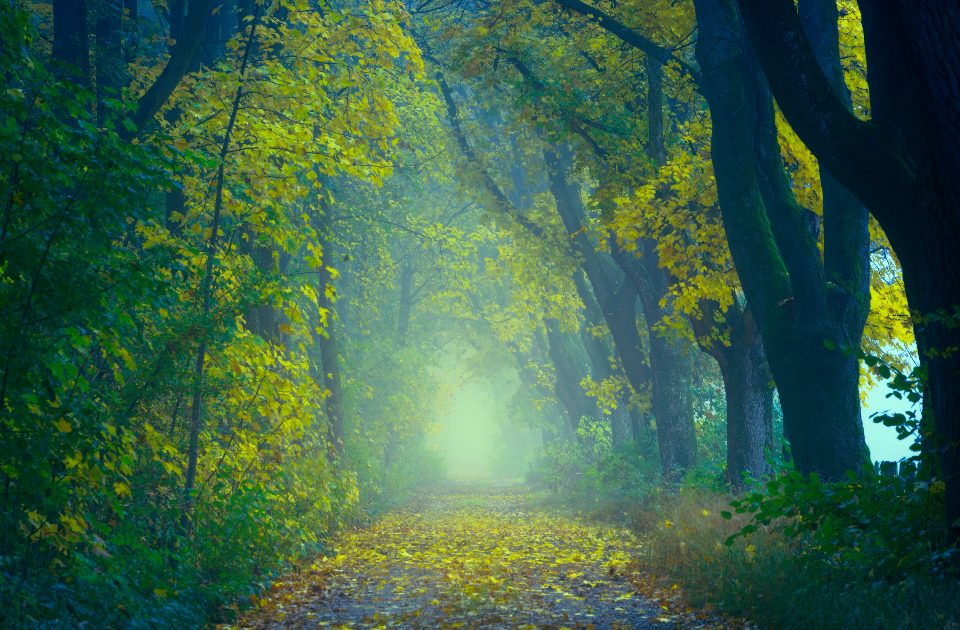
The term “forest bathing” sounds like it belongs in a spa brochure, but the practice behind it — deliberately, slowly immersing yourself in a natural setting without a fitness goal or destination in mind — has attracted a genuine and growing body of research into how it affects stress and well-being.
It originated in Japan under the name shinrin-yoku, translating roughly to “forest bathing” or “taking in the forest atmosphere,” and has since spread internationally as researchers investigated whether time in nature produces measurable physiological effects beyond simply feeling pleasant.
What Forest Bathing Actually Involves
Unlike hiking or exercising outdoors, forest bathing is intentionally slow and unstructured. It typically involves walking gently through a wooded or green space, engaging the senses deliberately — noticing sounds, textures, smells, and light — rather than covering distance or reaching a destination.
The practice is less about the forest itself and more about a specific quality of attention: unhurried, sensory, and free from the usual goals and distractions that structure most outdoor activity, including phones and other digital devices.
What the Evidence Actually Shows
Research on nature exposure consistently shows reductions in self-reported stress and measurable changes in physiological stress markers, including lower cortisol levels and reduced heart rate and blood pressure, after time spent in green or forested environments compared to urban settings. Several studies have also found improvements in mood and reported feelings of vitality following nature exposure sessions.
The effects appear related to several overlapping factors: reduced sensory overload compared to urban environments, exposure to natural light and greenery, and often, though not always, mild physical activity from walking. Research consistently shows that even relatively short nature exposure sessions, in the range of 20-30 minutes, can produce measurable reductions in stress hormone levels for many people.
- Nature exposure is consistently linked to lower self-reported stress and improved mood.
- Physiological markers, including cortisol and blood pressure, often show favorable changes after time in green spaces.
- Benefits appear achievable with relatively modest time investments, not just extended wilderness immersion.
Why Nature Exposure May Affect Stress Physiology
One leading explanation, sometimes called attention restoration theory, suggests that natural environments allow the brain’s directed-attention systems — the ones taxed by constant urban stimuli, screens, and multitasking — to rest and recover, in contrast to environments that demand continuous, effortful attention. Natural settings tend to draw attention more gently and involuntarily, through features like moving leaves, water, or birdsong, without demanding sustained mental effort.
Reduced noise and visual clutter compared to urban settings likely also plays a role, lowering overall sensory load on the nervous system. Whatever the precise mechanism, the practical effect reported across many studies is a subjective and physiological down-shift in stress-related arousal.
How Forest Bathing Differs From Regular Exercise Outdoors
Exercise itself, independent of setting, is well established as beneficial for mood and stress, and the WHO’s general recommendation of at least 150 minutes of moderate activity per week captures much of that benefit regardless of whether it happens indoors or outside. Forest bathing isn’t positioned as a replacement for that guidance, but as a complementary, lower-intensity practice focused specifically on sensory engagement and mental rest rather than cardiovascular training.
In practice, many people combine the two: a gentle nature walk can satisfy part of a weekly activity goal while also providing the slower, attention-restoring benefits associated specifically with unhurried nature immersion.
How to Apply This: A Simple Forest Bathing Practice
You don’t need access to old-growth forest or a wilderness retreat to try this. Any reasonably green, relatively quiet space can work, including a well-treed park.
- Set aside 20-30 minutes without a specific destination or fitness goal in mind.
- Leave your phone on silent or in a bag, resisting the urge to check it during the walk.
- Walk slowly, and periodically pause to deliberately notice one sense at a time — what you can hear, smell, see, or feel underfoot.
- Avoid the urge to narrate the experience internally as a task to complete; let attention wander naturally rather than forcing focus.
- Try to build this into a regular routine, even once or twice a week, rather than treating it as a rare special occasion.
Who Benefits Most, and Realistic Expectations
People experiencing high daily stress, frequent screen exposure, or limited regular access to green space may notice the most pronounced subjective benefit, simply because the contrast with their usual environment is larger. That said, individual response varies, and forest bathing is best understood as one useful tool among several for managing stress, not a stand-alone treatment for clinical anxiety or depression.
Anyone experiencing persistent or severe mental health symptoms should seek support from a healthcare provider rather than relying on nature exposure alone, even though it can be a reasonable complementary practice alongside appropriate care.
Building Nature Time Into a Busy Schedule
The biggest practical obstacle to forest bathing isn’t usually access to green space — it’s finding time that doesn’t get displaced by more urgent-feeling tasks. Treating it as a fixed, recurring appointment, the same way you might schedule a workout or a meeting, tends to work better than waiting for a spontaneous window of free time that rarely materializes on its own.
Pairing nature time with something you’re already doing can also help it stick: taking a work call on a walk through a nearby park, eating lunch on a bench under trees instead of at a desk, or turning part of a weekend errand route through a greener path instead of the most direct one.
- Schedule nature time as a fixed recurring block rather than an optional add-on.
- Combine it with existing habits, like lunch breaks or phone calls, to reduce the friction of finding “extra” time.
- Start small; even a 10-15 minute session in a nearby green space is worth doing consistently rather than waiting for a longer outing that may not happen.
Do I need an actual forest to get the benefits?
No. Research has found benefits from various green spaces, including urban parks with substantial tree cover, not exclusively deep wilderness or forest settings.
How is forest bathing different from just going for a walk?
The key difference is intention: forest bathing emphasizes slow, sensory, unstructured attention rather than covering distance, exercising at a set pace, or reaching a destination.
How often should I practice forest bathing to see benefits?
Even occasional sessions can produce short-term stress reduction, but building it into a regular routine, such as once or twice weekly, is more likely to support longer-term stress management.
Can forest bathing replace therapy or other mental health treatment?
No. It can be a helpful complementary practice for general stress management, but it isn’t a substitute for professional care when dealing with significant or persistent mental health concerns.
Affiliate & medical disclosure: This review is independent and for information only, not medical advice. Some links may be affiliate links; we may earn a commission at no cost to you, which never affects our score. Consult a licensed provider before starting any product.