Hidden Sugars: How to Spot Them on a Nutrition Label
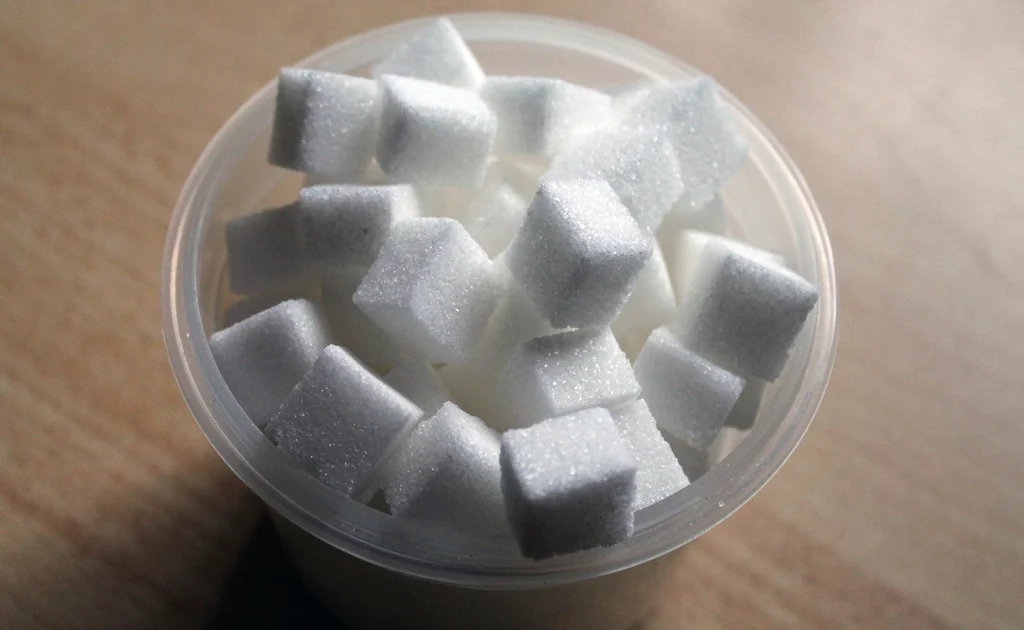
Pasta sauce, bread, salad dressing, and flavored yogurt do not seem like sugary foods, yet many popular versions of each contain more added sugar than people expect. Sugar hides under dozens of different names on ingredient lists, which makes it easy to consume far more than intended, even while actively trying to eat healthier.
The AHA advises limiting added sugar to about 25 grams a day for women and 36 grams for men, roughly 6 and 9 teaspoons respectively, a limit that a single sugary beverage or a few servings of hidden-sugar foods can blow past without anything that tastes distinctly “sweet.” Here is how to actually spot it.
Why Added Sugar Is Easy to Miss
Manufacturers use many different names for added sugars, partly because different sweeteners serve slightly different functions in food production, and partly because listing several types allows each to appear lower on the ingredient list than if it were combined into one term. An ingredient list can contain three or four different added sugars, each individually ranked lower, while collectively contributing a large total amount.
Added sugar is also common in foods not typically thought of as sweet, including bread, crackers, pasta sauce, salad dressings, and flavored oatmeal, which is part of why total intake can add up without a person eating anything that seems obviously sugary.
Common Names for Added Sugar
Recognizing these terms on an ingredient list is the first step to identifying hidden sugars, since “sugar” itself is often just one of many sweeteners used.
- High-fructose corn syrup, corn syrup, corn syrup solids
- Cane sugar, cane juice, evaporated cane juice
- Dextrose, fructose, sucrose, maltose, glucose
- Honey, agave nectar, maple syrup, molasses
- Fruit juice concentrate, malt syrup, brown rice syrup
Ingredients ending in “-ose” are generally a sugar of some kind, which is a useful quick pattern to recognize even for less familiar-sounding names.
Reading the Nutrition Facts Panel Correctly
In the US, nutrition labels distinguish “Total Sugars” from “Added Sugars,” with the added sugars line specifically indicating sugar that was not naturally present in the food, such as the natural sugar in plain milk or whole fruit. This distinction matters because naturally occurring sugars in whole foods come packaged with fiber, vitamins, and other nutrients, while added sugars typically do not.
The Daily Value percentage listed next to added sugars gives a quick reference point, based on a 50 gram daily added sugar limit for a 2,000 calorie diet, though the AHA’s more conservative recommendations of 25g for women and 36g for men are worth using as your personal target rather than the label’s percentage alone.
Foods That Commonly Contain Surprising Amounts
Certain everyday products are particularly likely to contain more added sugar than expected, which makes them worth double-checking even if you already eat them regularly.
- Flavored yogurt: can contain as much added sugar as a dessert; plain yogurt with fresh fruit is a lower-sugar alternative
- Pasta and marinara sauce: some brands add several grams of sugar per serving
- Granola and granola bars: often marketed as healthy but can rival candy bars in added sugar
- Salad dressings: sugar is commonly added to balance acidity
- Bread: many commercial breads include added sugar even in “plain” varieties
How to Apply This: A Practical Label-Reading Habit
Building a quick label-check habit makes spotting hidden sugar automatic rather than requiring extensive research for every purchase.
- Check the “Added Sugars” line first, since this is the most direct number to watch.
- Scan the ingredient list for multiple sugar names, especially in the first five ingredients.
- Compare similar products side by side; added sugar content often varies significantly between brands of the same food type.
- Watch serving sizes, since sugar content is listed per serving, and some packages contain more servings than people realize.
- Choose plain or unsweetened versions when available, and add your own controlled amount of sweetness if desired.
Over time, this habit becomes fast, often taking just a few seconds per product once you know what to look for.
Natural Sugar vs Added Sugar: Why the Difference Matters
Not all sugar needs to be avoided. Sugar naturally present in fruit, vegetables, and plain dairy comes with fiber, water content, and micronutrients that slow digestion and support satiety, generally making these foods behave differently in the body than foods with concentrated added sugar.
The Academy of Nutrition and Dietetics distinguishes between these categories precisely because the health concerns associated with sugar largely relate to excess added sugar, particularly from sweetened beverages and highly processed foods, rather than sugar naturally occurring in whole foods eaten in typical amounts.
Is fruit juice a hidden sugar source?
Yes, even 100% fruit juice is a concentrated source of sugar without the fiber found in whole fruit, and it’s often grouped with added sugars in terms of its effect on blood sugar, even though it’s technically a “natural” sugar source.
Are natural sweeteners like honey and maple syrup healthier than table sugar?
They contain trace amounts of additional nutrients, but from a blood sugar and calorie standpoint, they function very similarly to table sugar and count toward the AHA’s added sugar limits when used as sweeteners.
How can I tell how much sugar is too much in one product?
As a rough guide, comparing a product’s added sugar per serving against the daily AHA limits (about 25g for women, 36g for men) can help you judge whether a single serving represents a small or large portion of your daily total.
Does “no sugar added” mean a product has no sugar at all?
Not necessarily. “No sugar added” means no sugar was added during processing, but the product can still contain naturally occurring sugars, such as those in fruit or dairy, which will still appear in the “Total Sugars” line.
What about sugar alcohols and low-calorie sweeteners on labels?
Sugar alcohols like erythritol and xylitol, and non-nutritive sweeteners like stevia or monk fruit extract, are typically listed separately from added sugars and generally don’t count toward the AHA’s added sugar recommendations, since they affect blood sugar differently than traditional sugars.
A Simple Grocery Shopping Strategy
Rather than trying to memorize every possible name for sugar, a more sustainable approach is prioritizing whole and minimally processed foods most of the time, where added sugar is naturally less of a concern, and reserving detailed label-checking for packaged foods you buy regularly.
Keeping a mental list of your own most-purchased packaged items, such as your usual bread, yogurt, and sauce brands, and checking those specifically for lower-sugar alternatives once, saves ongoing effort compared to re-analyzing every label on every shopping trip. Once you’ve identified good lower-sugar options for your regular staples, sticking with them removes most of the daily decision-making around hidden sugar.
For families or households buying for children, this same label-reading habit is worth teaching early, since research consistently shows that early exposure to high-sugar foods and beverages can shape taste preferences that carry into adulthood, making it easier to build habits around lower-sugar staples from the start.
Affiliate & medical disclosure: This review is independent and for information only, not medical advice. Some links may be affiliate links; we may earn a commission at no cost to you, which never affects our score. Consult a licensed provider before starting any product.