Calcium Beyond Dairy: Building Strong Bones on Any Diet
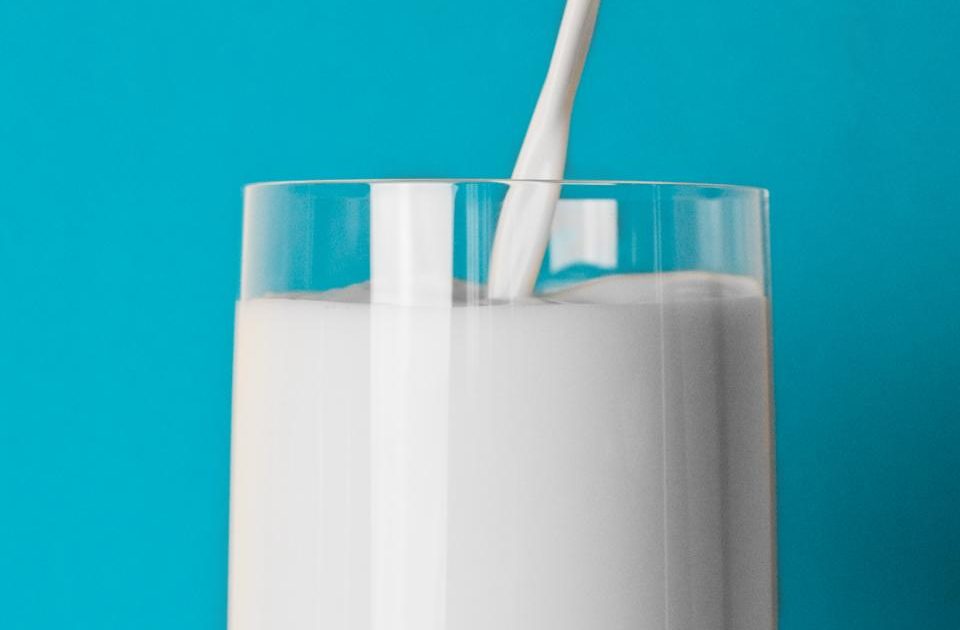
Mention calcium and most people immediately think of milk, and stop thinking any further. That reflex leaves a lot of people confused, and sometimes genuinely under-nourished, when they cut back on dairy for lactose intolerance, a vegan diet, or simple personal preference. Calcium doesn’t disappear as a nutritional need just because dairy disappears from the plate.
Bone health depends on calcium throughout life, not just in childhood, and the body has no way to manufacture it — every milligram has to come from food or supplements. Understanding where else calcium hides in an ordinary diet makes it much easier to meet your needs without relying on dairy as the only option.
Why Calcium Matters Beyond Bones
Roughly 99% of the body’s calcium is stored in bones and teeth, providing structural strength, but the remaining small fraction circulating in blood and tissue plays an outsized role in muscle contraction, nerve signaling, blood clotting, and heart function. When dietary calcium intake is insufficient, the body pulls calcium from bone stores to maintain these critical functions, gradually weakening bone density over time if the shortfall continues.
This is part of why calcium adequacy matters across the entire lifespan, not just during the bone-building years of childhood and adolescence. The Academy of Nutrition and Dietetics emphasizes that consistent calcium intake, paired with adequate vitamin D and weight-bearing exercise, is a foundational strategy for long-term bone health at every age.
How Much Calcium Do You Actually Need?
The NIH’s Office of Dietary Supplements lists the Recommended Dietary Allowance for calcium at approximately 1,000 mg per day for most adults, rising to around 1,200 mg per day for women over 50 and adults over 70, reflecting increased needs as bone density naturally declines with age. Meeting this target without dairy is entirely achievable with a bit of intentional meal planning.
Non-Dairy Calcium Sources That Actually Add Up
Plenty of foods deliver meaningful calcium without a drop of milk involved:
- Leafy greens: collard greens, kale, and bok choy are relatively rich sources, though spinach’s calcium is less bioavailable due to naturally occurring oxalates that bind to it
- Canned fish with bones: canned salmon and sardines are excellent sources when the soft, edible bones are eaten along with the fish
- Fortified plant milks and juices: soy, almond, oat, and orange juice are frequently fortified to match or exceed dairy milk’s calcium content
- Tofu made with calcium sulfate: can provide a substantial amount of calcium per serving; check the label, since not all tofu is processed the same way
- Legumes: white beans and chickpeas contribute meaningful amounts, especially across multiple servings in a week
- Almonds and sesame seeds (including tahini): smaller but still useful contributors, especially combined with other sources
The Bioavailability Problem: Not All Calcium Is Equal
One nuance that trips people up is that the calcium content listed on a label doesn’t tell the whole story — how well your body actually absorbs that calcium matters just as much. Spinach, for example, contains a reasonable amount of calcium on paper, but oxalates in the leaves bind much of it, meaningfully reducing how much your body actually absorbs compared to a food like kale, which contains far less oxalate.
Research consistently shows that calcium from low-oxalate leafy greens, fortified foods, and canned fish with bones tends to be well absorbed, generally comparable to or better than the absorption rate of calcium from cow’s milk. This is worth knowing so you don’t assume a spinach salad alone is meeting your daily target when the usable calcium is considerably lower than the raw number on a nutrition label suggests.
Calcium and Vitamin D: A Package Deal
Calcium absorption depends heavily on adequate vitamin D status, since vitamin D enables the intestines to absorb calcium efficiently. Without sufficient vitamin D, even a calcium-rich diet may not translate into adequate absorption, which is why the two nutrients are almost always discussed together in bone health guidance.
Since natural food sources of vitamin D are limited (mainly fatty fish and fortified foods), many people — especially those with limited sun exposure — benefit from a vitamin D supplement alongside a calcium-conscious diet, ideally guided by a healthcare provider’s assessment of individual blood levels.
How to Apply This: A Sample Dairy-Free, Calcium-Rich Day
Here’s what hitting a reasonable calcium target without dairy might look like across a day:
- Breakfast: Fortified plant milk with oatmeal, topped with sesame seeds or almonds
- Lunch: A salad with kale or collard greens, chickpeas, and a tahini-based dressing
- Snack: A handful of almonds and a piece of fortified-juice-paired fruit
- Dinner: Canned salmon (with bones) or calcium-set tofu stir-fried with bok choy and white beans
Spreading calcium-rich foods across multiple meals, rather than trying to get it all at once, also tends to improve total absorption, since the body can only absorb a limited amount of calcium in a single sitting.
Individual Variation and When to Consider Supplements
Calcium needs vary by age, sex, pregnancy status, and certain medical conditions affecting absorption, such as some digestive disorders. People who avoid dairy, eat a limited variety of plant foods, or have higher calcium needs due to age or pregnancy may benefit from a supplement, but calcium supplementation should generally be guided by an actual dietary assessment rather than assumed, since excessive supplemental calcium has been associated with other health concerns in some research. A healthcare provider or registered dietitian can help determine whether food alone is sufficient or a supplement is genuinely warranted.
Can I get enough calcium without eating any dairy at all?
Yes, with intentional meal planning. Leafy greens, fortified plant milks, canned fish with bones, tofu, and legumes can collectively meet daily calcium needs for most adults.
Is spinach a good source of calcium?
It contains calcium, but oxalates in spinach significantly reduce how much of it your body actually absorbs. Lower-oxalate greens like kale and collard greens are generally better absorbed calcium sources.
Do I need a calcium supplement if I don’t eat dairy?
Not necessarily, if your diet includes a variety of the non-dairy sources mentioned above. A healthcare provider or dietitian can help assess whether your specific diet is meeting your needs or a supplement makes sense.
Does calcium absorption really depend on vitamin D?
Yes, significantly. Without adequate vitamin D, the intestines absorb calcium far less efficiently, which is why the two nutrients are typically addressed together in bone health recommendations.
Affiliate & medical disclosure: This review is independent and for information only, not medical advice. Some links may be affiliate links; we may earn a commission at no cost to you, which never affects our score. Consult a licensed provider before starting any product.