Ashwagandha, Cortisol and the “Stress Weight” Connection
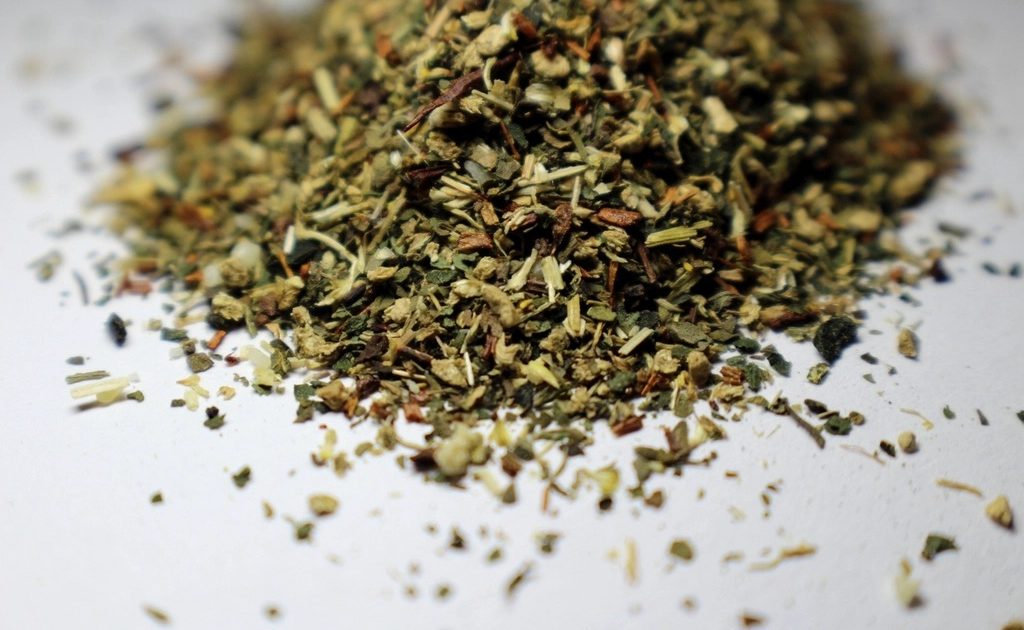
“Stress weight” is one of those phrases that feels immediately, physically true. The brutal quarter at work, the caregiving year, the divorce — and somehow, without any obvious change in what you ate, the waistband tightened. So when a herb arrives promising to lower the stress hormone behind it all, the appeal is obvious. Ashwagandha has become one of the best-selling supplements in the wellness market, and it is increasingly sold not as a calming herb but as a weight-loss aid, with cortisol as the villain of the story.
The truth is more layered than either the marketing or the backlash suggests. Cortisol and body weight really are connected. Ashwagandha really does have some clinical evidence behind it. But the chain of reasoning from “this herb lowers cortisol” to “therefore it will slim your midsection” contains several weak links worth examining before you spend money on it.
What cortisol actually does to weight
Cortisol is your primary glucocorticoid, released by the adrenal glands on a daily rhythm — highest in the morning, lowest around bedtime — and spiking in response to stress. Its jobs include mobilizing glucose, modulating immune function, and maintaining blood pressure. It is essential, not evil.
Its connection to weight is best demonstrated at the extreme. In Cushing’s syndrome, where cortisol is pathologically elevated, patients characteristically develop central obesity, a rounded face, and thinning limbs — proof that sustained high cortisol drives fat toward the abdomen and breaks down muscle. That extreme case is what everyday cortisol marketing borrows its credibility from. The garden-variety cortisol elevation of a stressful job is a far smaller effect, and it operates largely through behavior: stress reliably drives higher intake of energy-dense, palatable food, disrupts sleep, and reduces the odds you’ll train. Research on stress and eating consistently finds this behavioral pathway does much of the work.
What ashwagandha is — and what trials have found
Ashwagandha (Withania somnifera) is a shrub used in Ayurvedic medicine for centuries, classed in modern marketing as an “adaptogen.” Its most consistent modern evidence concerns stress and anxiety: several randomized, placebo-controlled trials, generally small (typically 50 to 125 participants) and running 8 to 12 weeks, have reported reductions in self-reported stress scores and in serum cortisol — with cortisol reductions commonly in the range of 15% to 30% versus placebo. A frequently cited 2012 trial in an Indian journal of psychological medicine reported both lower perceived-stress scores and reduced serum cortisol in chronically stressed adults taking a standardized root extract.
The honest caveats matter here. These studies are small, mostly short, frequently conducted or funded by supplement manufacturers, and often use proprietary extracts at specific doses that generic products may not match. The National Center for Complementary and Integrative Health, part of the NIH, describes evidence for ashwagandha’s health effects as limited and preliminary — a fair summary.
The weight-loss link is thin
Here is the part the labels skip. Very few trials have measured weight as a primary outcome. One small 8-week pilot in chronically stressed adults reported modest reductions in body weight and food cravings alongside lower cortisol — a single, small, short study, not a body of evidence. No major health authority recognizes ashwagandha as a weight-loss treatment, and the FDA has approved no supplement for weight loss.
The logic gap is worth naming plainly: even accepting that ashwagandha lowers cortisol in stressed people, it does not follow that lower cortisol produces meaningful fat loss in someone whose cortisol was never pathologically elevated. If your weight gain came from stress-driven eating and lost sleep, the intervention that helps is the one that changes the eating and the sleeping. A capsule that mildly lowers a hormone does not automatically do that.
Where it may genuinely help — indirectly
That said, there is a plausible, modest, indirect case. If ashwagandha reduces subjective stress and improves sleep — and several trials report improved sleep quality — those are meaningful levers for weight management in their own right. Short sleep is consistently associated with higher appetite, increased ghrelin, reduced leptin, and greater intake in controlled studies; the CDC’s recommendation of 7 or more hours nightly for adults exists partly for metabolic reasons. Better sleep and lower stress plausibly improve adherence to everything else. That is a supporting role, honestly described — not the headline the packaging suggests.
Safety: the part that deserves attention
Ashwagandha is not risk-free. Common side effects include drowsiness, gastrointestinal upset, and headache. More seriously, case reports of liver injury linked to ashwagandha products have accumulated in recent years, prompting several national health agencies to issue cautions; the herb also has thyroid effects and may raise thyroid hormone levels, which matters for anyone with thyroid disease. Its immune-modulating action makes it inadvisable with autoimmune conditions or immunosuppressants, and it is not recommended in pregnancy. Because supplements are not reviewed by the FDA for safety and effectiveness before sale, product quality varies substantially.
A practical checklist for the stress-and-weight problem
1. Treat sleep as the first-line “cortisol supplement” — aim for 7+ hours; it outperforms any capsule on the evidence.
2. Address stress eating directly: identify triggers, plan protein-forward meals, and build non-food coping routines.
3. Move most days — activity lowers perceived stress and supports weight independently.
4. If you try ashwagandha, use a standardized root extract at studied doses (commonly 300–600 mg daily), for a defined 8–12 week trial, and evaluate honestly.
5. Screen yourself out: skip it with thyroid disease, autoimmune conditions, liver disease, pregnancy, or immunosuppressant use — and tell your prescriber regardless.
6. Stop immediately for signs of liver trouble — dark urine, yellowing skin or eyes, unusual fatigue, right-upper abdominal pain — and seek medical care.
7. Choose third-party-tested brands (USP, NSF) to reduce contamination and dosing roulette.
8. Get evaluated if symptoms suggest more: rapid central weight gain with purple stretch marks, muscle weakness, and high blood pressure warrant testing for a genuine cortisol disorder.
Does ashwagandha actually reduce belly fat?
There is no good evidence it targets abdominal fat. Spot reduction isn’t how fat loss works, and the few weight-related trials are small and preliminary. Overall energy balance, protein, sleep, and activity determine where and whether fat is lost.
Is high cortisol the reason I can’t lose weight?
Rarely, as a direct cause. True cortisol disorders like Cushing’s syndrome are uncommon and come with distinctive signs. Ordinary stress affects weight mainly through eating, sleep, and activity — which are, helpfully, all modifiable without a prescription.
How long before ashwagandha would do anything?
Trials reporting stress and cortisol effects typically run 8 to 12 weeks. If you’re going to test it, give it that window with everything else held steady — and set a stopping rule in advance so an experiment doesn’t quietly become a subscription.
Can I take it with GLP-1 medication or antidepressants?
Ask your prescriber before combining. Ashwagandha may add to the sedative effects of some medications and can affect thyroid and immune function. Anyone managing weight with prescription medication should keep their clinician informed of every supplement they take.
Affiliate & medical disclosure: This review is independent and for information only, not medical advice. Some links may be affiliate links; we may earn a commission at no cost to you, which never affects our score. Consult a licensed provider before starting any product.