Cooking for a Smaller Appetite: How Kitchen Life Changes on GLP-1
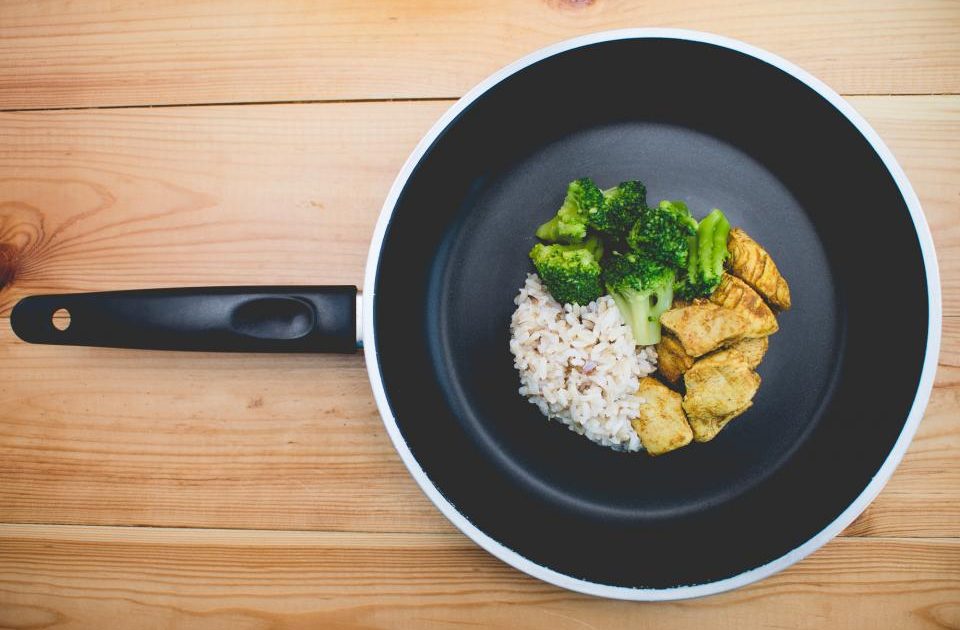
The first casualty is usually the family-size recipe. You make the lasagna you have made a hundred times, and four days later most of it is still in the fridge, quietly judging you. For people taking a GLP-1 medication, the kitchen — that warm center of home life — suddenly operates on different physics. Portions that once felt normal now look mountainous. The 6 p.m. hunger that used to drive dinner planning simply doesn’t arrive. And the cook of the house, whether that’s you or someone who loves feeding you, has to relearn a job they thought they knew by heart.
This is not a small adjustment. Food shopping, meal planning, cooking for a household with mixed appetites, even the economics of groceries — all of it shifts when one person’s appetite drops by a third or more. The good news: with a few deliberate changes, cooking for a smaller appetite can become simpler, cheaper, and more intentional than the old routine ever was.
Why the kitchen math changes
GLP-1 receptor agonists such as semaglutide and tirzepatide slow gastric emptying and act on appetite centers in the brain, which is why fullness arrives earlier and lingers longer. In the STEP 1 trial, participants on semaglutide 2.4 mg lost an average of 14.9% of body weight over 68 weeks — and behind that number sits a daily reality of markedly smaller meals. Participants in these trials consistently reported reduced hunger and earlier satiety, which in kitchen terms means the pasta portion that once fed you now feeds you twice.
Because these are prescription medicines with real side effects — nausea, reflux, and digestive slowdown among the most common — how you cook can genuinely affect how you feel. Heavy, greasy, very large meals are the classic triggers clinicians warn about. Your prescriber’s guidance comes first; the kitchen strategies below are the supporting cast.
Portion architecture: cook small, plate smaller
The simplest fix is structural. Halve your standard recipes, or keep quantities the same and portion the extra into single-serve containers before the meal ever hits the table — the freezer becomes your ally, not your graveyard of leftovers. Smaller plates genuinely help calibrate expectations; a modest serving on a salad plate reads as a full meal, while the same serving on a dinner plate reads as deprivation. Many GLP-1 users find that a starter-size portion, eaten slowly, is the honest new normal.
Protein moves to the front of the plate
When total intake shrinks, every bite carries more responsibility. The concern clinicians raise most often is muscle: lose weight fast without enough protein and resistance activity, and a meaningful share of the loss is lean mass. Most guidance for adults in intentional weight loss lands in the range of roughly 1.2 to 1.6 grams of protein per kilogram of body weight per day — noticeably above the baseline Recommended Dietary Allowance of 0.8 g/kg that the National Institutes of Health cites for general health. In practice, that means building each small meal around eggs, Greek yogurt, fish, poultry, tofu, beans, or cottage cheese, and treating starches and sweets as garnish rather than foundation.
Fiber and fluids matter too. Slower digestion plus low food volume is a recipe for constipation, so vegetables, berries, oats, and plenty of water earn their place even when appetite is minimal. The Academy of Nutrition and Dietetics emphasizes nutrient density — the most nutrition per calorie — as the core principle when appetite is limited, which is exactly the situation GLP-1 creates.
Cooking methods that respect a sensitive stomach
Many users discover their tolerance changes: fried and very fatty foods sit heavily, oversized portions trigger queasiness, and strong smells can be off-putting during dose increases. Gentler techniques — baking, poaching, steaming, sheet-pan roasting with modest oil — tend to be kinder. Soups and stews are quietly perfect for this stage of life: warm, moist, easy to portion, easy to fortify with protein, and easy to freeze in single servings. If nausea flares after a dose increase, bland-leaning meals for a few days (rice, bananas, broth-based soups, plain proteins) are a widely recommended bridge — and persistent vomiting or inability to keep food down is a call-your-prescriber situation, not a push-through situation.
Feeding a household with mixed appetites
Perhaps the trickiest part is emotional: cooking for people whose appetites haven’t changed. The solution most families land on is component cooking — a protein, a vegetable, a starch, served separately so each person builds their own plate. The GLP-1 user takes a small portion of protein and vegetables; teenagers demolish the rest. This avoids the twin traps of cooking two separate dinners or pressuring the medicated person to “just have a little more.” If a partner or parent shows love through food, say the quiet part out loud: the smaller plate is not a rejection of them. It’s biology, on purpose.
A practical checklist for the GLP-1 kitchen
1. Halve your recipes — or portion and freeze immediately in single-serve containers.
2. Plate on salad plates, and let seconds be a choice rather than a default.
3. Anchor every meal with 20–30 g of protein: eggs, yogurt, fish, poultry, legumes, tofu.
4. Keep a nausea shelf: broth, rice, crackers, ginger tea for dose-increase weeks.
5. Cook gentle: bake, steam, poach, roast — go easy on frying and heavy cream sauces.
6. Hydrate deliberately — small meals mean less fluid from food; aim for water through the day.
7. Shop smaller, more often, and lean on the freezer to cut waste.
8. Serve family meals component-style so every appetite at the table wins.
Do I need to force myself to eat if I’m never hungry?
Not force — structure. Skipping food entirely risks fatigue, muscle loss, and nutrient shortfalls. Most clinicians recommend eating by the clock: two to three modest, protein-forward meals daily even without hunger cues. If you genuinely cannot manage that, or intake stays very low for days, involve your prescriber promptly.
Why does grocery spending change on GLP-1?
Households commonly find food bills drop simply because volume drops — less snack food, fewer takeout orders, smaller portions. The savings are real but so is waste if you keep shopping the old way; buying smaller quantities and freezing portions keeps the win.
Are there foods I must avoid on GLP-1?
There is no official banned list — prescribing information does not prohibit specific foods. But very fatty, fried, or oversized meals are the most commonly reported triggers for nausea and reflux because the medication slows stomach emptying. Alcohol deserves moderation and a conversation with your prescriber. Your own tolerance, discovered gently, is the best guide.
How do I get enough nutrients on so little food?
Prioritize nutrient-dense foods first — protein, vegetables, fruit, whole grains, dairy or fortified alternatives. Some prescribers suggest a basic multivitamin during active weight loss as inexpensive insurance, though evidence for routine supplementation is modest. A registered dietitian can tailor this, especially if you have restrictions or a long dieting history.
Affiliate & medical disclosure: This review is independent and for information only, not medical advice. Some links may be affiliate links; we may earn a commission at no cost to you, which never affects our score. Consult a licensed provider before starting any product.