Electrolytes and Hydration While Losing Weight: What Changes and Why
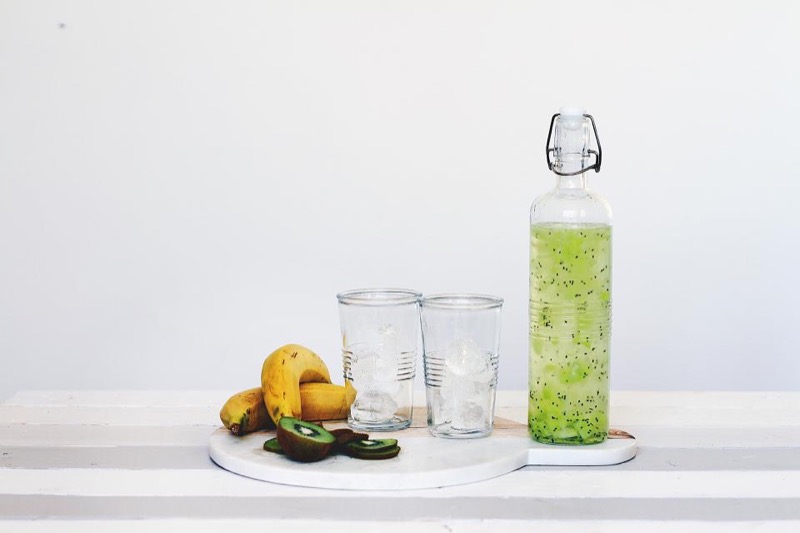
The headache arrives around week two. Maybe it brings friends — a wave of fatigue on the stairs, a leg cramp at 3 a.m., a lightheaded moment when you stand up too fast. If you have recently changed how you eat, started a weight-loss medication, or simply cut your portions with admirable discipline, the temptation is to read these as signs of weakness, or worse, as proof the plan is failing. Usually they are neither. Usually, they are plumbing.
Losing weight changes your body’s water and mineral economics in ways almost nobody explains at the starting line. The shifts are predictable, mostly benign, and fixable with unglamorous tools — water, salt, potassium, magnesium, and a little timing. Here is what actually changes when the scale starts moving, and how to keep your electrolytes from becoming the plot twist in an otherwise good story.
The Water You Lose First Was Never Fat
Every gram of glycogen — the stored carbohydrate in your muscles and liver — is warehoused with roughly three grams of water. When you cut calories, and especially when you cut carbohydrates, your body spends down those glycogen stores in the first days, and the attached water leaves with them. That is the famous “whoosh” of the first week: several pounds gone, mostly water, and along with that water goes a load of sodium and other minerals your kidneys excrete in the process.
This is why early dieting so often feels like mild dehydration — because it quietly is. Lower insulin levels during calorie or carb restriction also signal the kidneys to hold on to less sodium, a well-described effect that low-carb communities have nicknamed part of the “keto flu,” though it happens in gentler form on ordinary calorie deficits too.
Why Eating Less Means Drinking Less — Without Noticing
Here is the shift most people never account for: food is a major water source. The National Academies of Sciences, Engineering, and Medicine — the body that sets U.S. hydration reference values — estimates that roughly 20 percent of daily water intake typically arrives via food, and its adequate intake benchmarks work out to about 2.7 liters of total daily water for women and 3.7 liters for men from all sources combined. Shrink your meals and you shrink that food-borne water automatically. Soups, fruits, vegetables, even rice and pasta carry water into your body; a smaller, drier diet carries less.
Appetite-suppressing medications compound this quietly. When GLP-1 medications mute the signals for food, thirst cues often fade along with them — many users report simply forgetting to drink. And if nausea or digestive upset enters the picture, fluid losses can climb while intake falls, which is exactly the combination clinicians warn about because dehydration has been linked to kidney complications in reported cases among people who could not keep fluids down. Persistent vomiting on any weight-loss medication is a call-your-prescriber situation, not a push-through-it one.
The Big Four Minerals, and What Weight Loss Does to Each
- Sodium. The paradox mineral. The CDC notes most Americans consume well above the recommended limit of 2,300 mg per day, largely from processed food — yet a whole-foods weight-loss diet can swing some people from excess toward genuinely low intake, especially combined with early water loss and heavy sweating. Lightheadedness on standing and persistent headaches early in a diet are classic clues.
- Potassium. The chronically underfed one. The NIH Office of Dietary Supplements sets adequate intake at 2,600 mg daily for women and 3,400 mg for men, and notes that many Americans fall short even before dieting. Potassium-rich foods — potatoes, beans, yogurt, bananas, leafy greens — are exactly what portion-cutting tends to trim.
- Magnesium. The cramp mineral. Involved in muscle and nerve function, it hides in nuts, seeds, whole grains, and greens; nighttime leg cramps and eye twitches during a diet often trace back here. NIH data indicate a large share of Americans consume less than the estimated average requirement.
- Calcium. The long-game mineral. Dairy is a common casualty of calorie cuts, and bone health quietly pays the bill years later — a particular concern during rapid weight loss, which research links to bone density decline when nutrition and resistance training lag.
Do You Actually Need an Electrolyte Product?
The supplement aisle would like a word, but the honest answer is: usually not. For most people on a moderate calorie deficit, food carries the load — a banana, a cup of yogurt, a handful of almonds, and normally salted meals cover the bases without a single neon powder. Electrolyte drinks earn their place in narrower circumstances: long or sweaty exercise sessions beyond about an hour, very low-carbohydrate diets in the first weeks, illness with vomiting or diarrhea, or a clinician’s specific advice. Watch two traps in commercial products: sugar loads that quietly refund the calories you worked to remove, and “hydration” formulas whose sodium content is trivial next to a simple salted meal. Plain water plus real food remains the default; products are the exception that must justify itself.
A Simple Daily Hydration Framework for Dieters
No spreadsheets required — just anchors:
- Front-load a glass. Drink water with or before each meal; on appetite suppressants, meals are your most reliable reminder system.
- Use urine color as your gauge. Pale straw means carry on; apple-juice dark means drink now. It is cruder than lab work and more useful than any app.
- Salt your food normally unless your clinician has restricted sodium — early weight loss is not the moment for simultaneous aggressive salt cutting.
- Eat one potassium anchor per day — a potato, a cup of beans, a banana, or a big serving of greens.
- Bank fluids around exercise. A glass before, sips during, and a glass after covers most workouts; only long sweaty sessions need more engineering.
- Recheck when anything changes — a new medication, a heat wave, an illness, or a sharp drop in food intake all reshuffle your fluid math, and your healthcare provider should hear about symptoms that persist.
The Quiet Payoff
None of this is glamorous, which is precisely why it gets skipped. But hydration status touches nearly everything a dieter cares about: energy for workouts, headache frequency, the reliability of the scale (water swings dwarf fat changes day to day), and even appetite, since thirst is famously easy to misread as hunger. Getting the water and mineral story right will not melt fat — nothing in a bottle does — but it removes a whole category of unnecessary misery from a process that is hard enough already.
How much water should I drink while losing weight?
The National Academies’ adequate-intake benchmarks — about 2.7 liters daily for women and 3.7 for men from all food and drink combined — are a reasonable frame, but needs vary with body size, climate, and activity. Practically, drinking with each meal and keeping urine pale covers most people; thirst alone becomes less trustworthy on appetite-suppressing medications.
Why does the scale jump around so much day to day?
Water. Glycogen shifts, sodium intake, hormonal cycles, and even a hard workout can move total body water by several pounds within a day or two — far faster than fat can change in either direction. Weekly averages tell the truth; daily readings mostly report your fluid status.
Are electrolyte powders safe to use every day?
For healthy adults, most mainstream products are safe in normal servings, but daily use is rarely necessary outside heavy exercise or very low-carb eating — and people with kidney disease, heart conditions, or blood-pressure medications should ask their healthcare provider first, since added potassium and sodium are not trivial for them.
Can dehydration stall my weight loss?
Not in the fat-loss sense, but it can hide progress behind water fluctuations, sap the energy you need for workouts, and masquerade as hunger. Chronic underhydration also tends to worsen constipation — already common on reduced food intake and on GLP-1 medications — which affects both comfort and the number on the scale.
Affiliate & medical disclosure: This review is independent and for information only, not medical advice. Some links may be affiliate links; we may earn a commission at no cost to you, which never affects our score. Consult a licensed provider before starting any product.