Everlywell Review: When At-Home Testing Helps, and When It Just Creates Anxiety
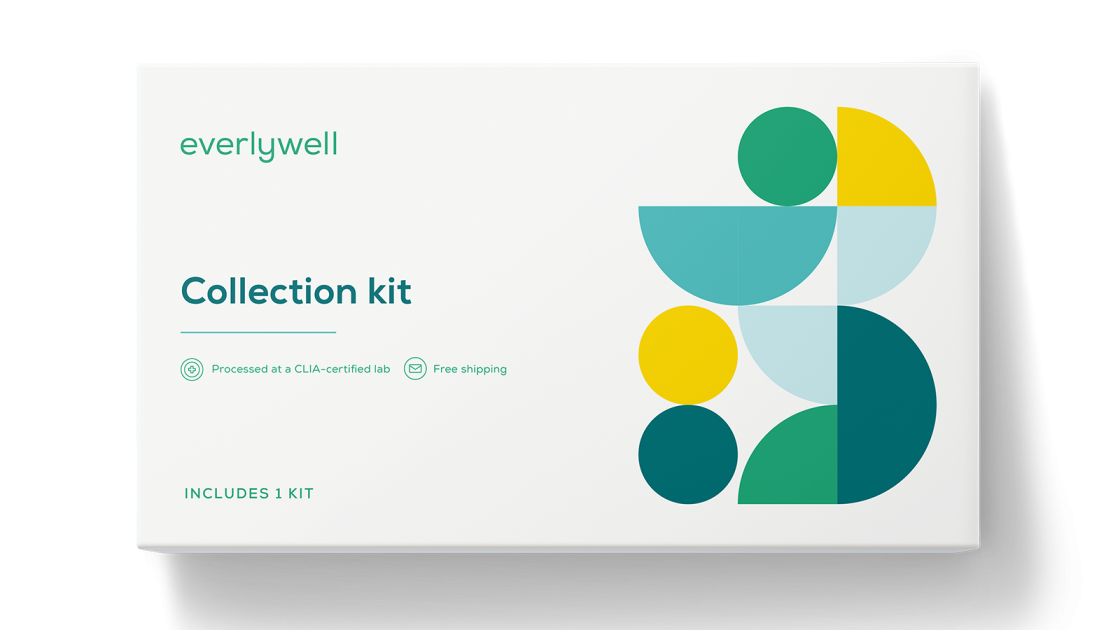
At-home lab testing promises something genuinely appealing: answers without waiting rooms. Everlywell is the most recognizable name in the category, with a catalog spanning $49 cholesterol panels to a $949 multi-cancer screening. But the interesting question is not whether the tests work — the labs are real — it is whether the results will help you or simply worry you.
What Everlywell offers
- Daily health — thyroid, cholesterol, inflammation markers
- Digestive health — food sensitivity panels covering 96-204 foods
- Sexual health — STI screening including chlamydia and gonorrhea
- Hormone health — women’s wellness panels
- Cancer screening — the Galleri multi-cancer detection test
- Gut microbiome — the Jona test with AI-generated recommendations
Plus Everlywell 360, an 83-biomarker panel for people wanting a broad baseline. Order online, collect at home, mail it back, view results in a portal, with optional virtual consultations.
Where it genuinely helps
The strongest case is access. People who skip clinics because of time, distance, cost or embarrassment often do no testing at all, and something beats nothing. Sexual health is the clearest example — the CDC emphasizes that many STIs produce no symptoms whatsoever, making screening the only way to know your status.
The second strong case is tracking. If you and your doctor are already managing cholesterol or thyroid function, checking between appointments without a lab trip is convenient and the result has an obvious action attached.
Where it creates anxiety instead
Buy a broad panel with no specific question and you will likely receive at least one value outside the reference range — because reference ranges are population statistics, and by design a percentage of healthy people fall outside them. Without clinical context, that number becomes a worry rather than information.
Food-sensitivity panels deserve particular scepticism. Many allergy specialists caution that IgG-based food testing does not reliably identify intolerances and frequently drives unnecessary elimination diets. If digestive symptoms are your concern, a supervised elimination protocol with a clinician or dietitian rests on firmer ground.
The question to ask before buying
What would you actually do differently with each possible result? If an abnormal value would prompt a doctor’s visit, a diet change or a medication review, the test has value. If the honest answer is ‘nothing, I would just worry’, skip it. Anxiety is not a health outcome, and a test that cannot change a decision is entertainment with a needle.
Getting reliable results
- Follow fasting and time-of-day rules exactly — both change the numbers.
- Warm your hands before finger-prick collection; insufficient volume is the most common cause of a rejected kit.
- Return the sample on the day specified where instructed.
- Note recent illness, hard exercise or medication changes, all of which shift markers.
- Retest before acting on a surprising single value — biological variation is real.
Medical limits worth respecting
At-home tests supply data, not diagnosis. Results are best read alongside your symptoms, history and medications — context a portal cannot provide, though the optional consultations help. Anything abnormal, and anything you tested because of symptoms, belongs with a clinician rather than a search engine.
The $949 Galleri screening sits in a different category again: a serious clinical product that should be discussed with a physician who knows your risk profile before purchase, not bought on impulse. Used to open a conversation with your doctor, at-home testing is a good tool. Used as a self-contained verdict, it is the wrong one. This review is information, not medical advice.
Pros and cons
Strengths
- Genuinely broad catalog across six health areas
- Transparent pricing from $49 to $949
- Optional virtual consultations for interpretation
- Real privacy for topics people avoid raising
- Useful for tracking a known marker over time
Limitations
- Food-sensitivity testing is scientifically contested
- Broad panels can generate worry without action
- Home collection errors force retests
- Premium screening is a medical decision, not a purchase
Final word
Everlywell executes the operational side well — ordering, collection and results are all straightforward. Whether it helps you depends almost entirely on why you are buying. Test with a question and a plan, and it is genuinely useful. Test out of curiosity and you may simply purchase something to be anxious about.
Reading reference ranges without spiralling
A reference range is a population statistic, not a verdict. They are typically constructed so that a defined percentage of healthy people fall outside them, which means an out-of-range value on a broad panel is statistically expected rather than alarming in isolation. This is the single most useful thing to understand before opening a results portal.
Biological variation compounds the effect. Many markers shift with time of day, recent meals, hydration, illness, intense exercise and stress — which is precisely why clinical laboratories specify collection conditions so carefully. If you tested after a bad night, a hard training session or a cold, that belongs in the interpretation. Track trends across repeated measurements rather than reacting to a single snapshot, and take anything genuinely abnormal to a clinician who can weigh it against your history rather than against a chart.
A sensible way to use at-home testing over a year
The most productive pattern we see is narrow and repeated rather than broad and one-off. Pick one or two markers that connect to something you are actively managing — cholesterol if you are changing your diet, thyroid function if you are on treatment, routine sexual-health screening if you are sexually active — and measure them on a consistent schedule under consistent conditions.
That approach produces trends, and trends are what clinicians can actually use. A single panel of 83 biomarkers taken once, by contrast, generates a long list of numbers with no baseline to compare against and no follow-up planned. If you do want a broad baseline, treat it as the first point on a line rather than a verdict, and diarize the repeat before you receive the first set of results.
Frequently asked questions
How much do Everlywell tests cost?
From about $49 for cholesterol to $949 for Galleri cancer screening, with most between $149 and $299.
Are the results reliable?
The laboratory analysis is the reliable part; collection technique and interpretation are where problems arise. Follow instructions precisely and review results with a clinician.
Should I buy a food sensitivity test?
Approach with caution — many allergy specialists advise against using IgG panels to drive elimination diets. A supervised protocol is better supported.
Can I use it instead of seeing a doctor?
No. It provides data; diagnosis and treatment need a clinician who knows your history.
What is Everlywell 360?
A broad panel covering 83 biomarkers, aimed at people who want a general baseline to track over time.
Affiliate & medical disclosure: This review is independent and for information only, not medical advice. Some links may be affiliate links; we may earn a commission at no cost to you, which never affects our score. Consult a licensed provider before starting any product.