12 Everyday Foods That Help Fight Inflammation
Chronic, low-grade inflammation is linked to many of the health problems that develop slowly over years — from heart disease to metabolic issues. Unlike the acute inflammation of a cut or infection, this kind simmers quietly in the background, and your everyday eating pattern is one of the biggest levers you can pull to influence it.
There’s no single magic ‘superfood.’ What works is a consistent pattern of anti-inflammatory foods, most of the time. Here are the ones worth building meals around — and what to gently crowd out.
The foods worth eating often
None of these are exotic or expensive. The point is to make them regulars in your kitchen, not occasional guests.
- Fatty fish like salmon and sardines (omega-3s)
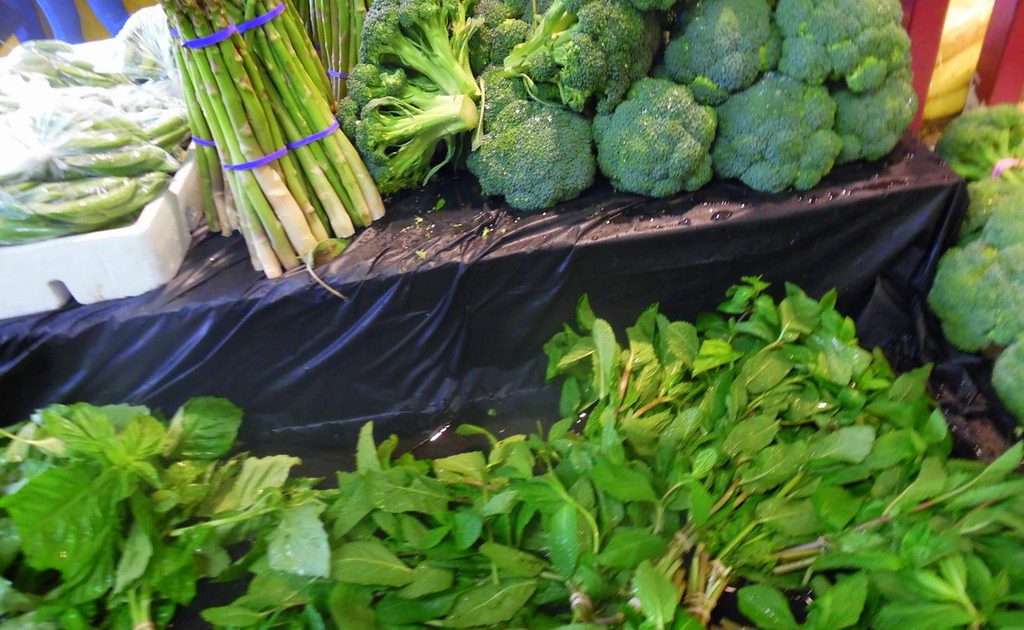
- Leafy greens, broccoli, and other cruciferous vegetables
- Berries and cherries (rich in polyphenols)
- Extra-virgin olive oil
- Nuts and seeds
- Turmeric and ginger
- Green tea
Why omega-3s matter
The omega-3 fats in fatty fish are among the most consistently studied anti-inflammatory nutrients. Aiming for two servings of fish like salmon, sardines, or mackerel per week is a simple, high-value habit. If you don’t eat fish, walnuts, flaxseed, and chia offer a plant form, and supplements are an option worth discussing with your doctor.
Color is a useful shortcut
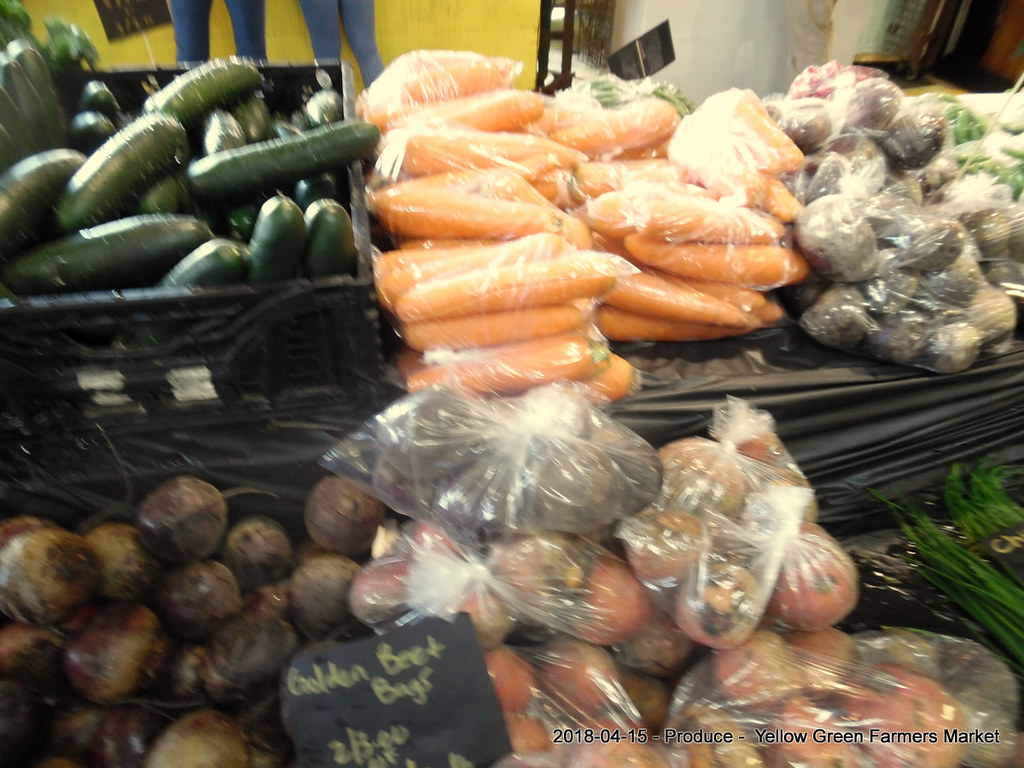
The pigments that make berries deep blue, greens dark, and vegetables vibrant are often the very polyphenols and antioxidants associated with lower inflammation. ‘Eat a range of colors’ isn’t just a slogan — it’s a practical way to cover a broad set of protective compounds without memorizing them.
It’s the pattern, not the single food
One serving of salmon won’t undo a week of ultra-processed meals, and no single ‘anti-inflammatory’ food carries the day. These foods work because they’re your default pattern most of the time — think Mediterranean-style eating, not a two-week cleanse.
What to gently crowd out
Often, reducing the pro-inflammatory stuff matters as much as adding the good. You don’t need perfection — just shift the balance.
- Ultra-processed foods and refined snacks
- Added sugar and sugary drinks
- Excess alcohol
- Heavily processed and charred meats
A realistic way to start
Don’t overhaul everything at once. Add one anti-inflammatory habit a week — fish twice a week, olive oil instead of butter, a serving of berries, a daily handful of nuts — and let the pattern build. Consistency, not intensity, is what lowers inflammation over time.
Frequently asked questions
Can food really reduce inflammation?
A consistent anti-inflammatory eating pattern is associated with lower markers of chronic inflammation. No single food is a cure, but the overall pattern genuinely matters.
Is turmeric a magic anti-inflammatory?
Turmeric’s compound curcumin shows promise, but amounts in food are modest and absorption is limited. Treat it as one helpful part of the pattern, not a cure-all.
How long until anti-inflammatory eating helps?
There’s no fixed timeline — it’s a long-term pattern, not a quick fix. The benefits come from consistency over months and years.
The takeaway
Aim for mostly whole foods — plenty of colorful plants, fatty fish, olive oil, nuts, and spices like turmeric and ginger — while gently crowding out ultra-processed foods, added sugar, and excess alcohol. Consistency over months, not perfection for two weeks, is what actually lowers inflammation.
Affiliate & medical disclosure: This review is independent and for information only, not medical advice. Some links may be affiliate links; we may earn a commission at no cost to you, which never affects our score. Consult a licensed provider before starting any product.