Gut Health Basics: How to Feed Your Microbiome

Your gut is home to trillions of microbes that influence digestion, immunity, and even mood. Feeding them well is one of the more exciting, evidence-backed frontiers in everyday nutrition.
You don’t need expensive supplements to support a healthy microbiome — mostly, you need fiber and variety. Here’s how to do it simply.
Eat more fiber, from more sources
Fiber is the main food for beneficial gut bacteria. Most people get far too little. Aim for a wide variety of plants — the diversity matters as much as the amount.
- Whole grains, oats, barley
- Beans, lentils, chickpeas
- Vegetables and fruit with skins
- Nuts and seeds
Add fermented foods
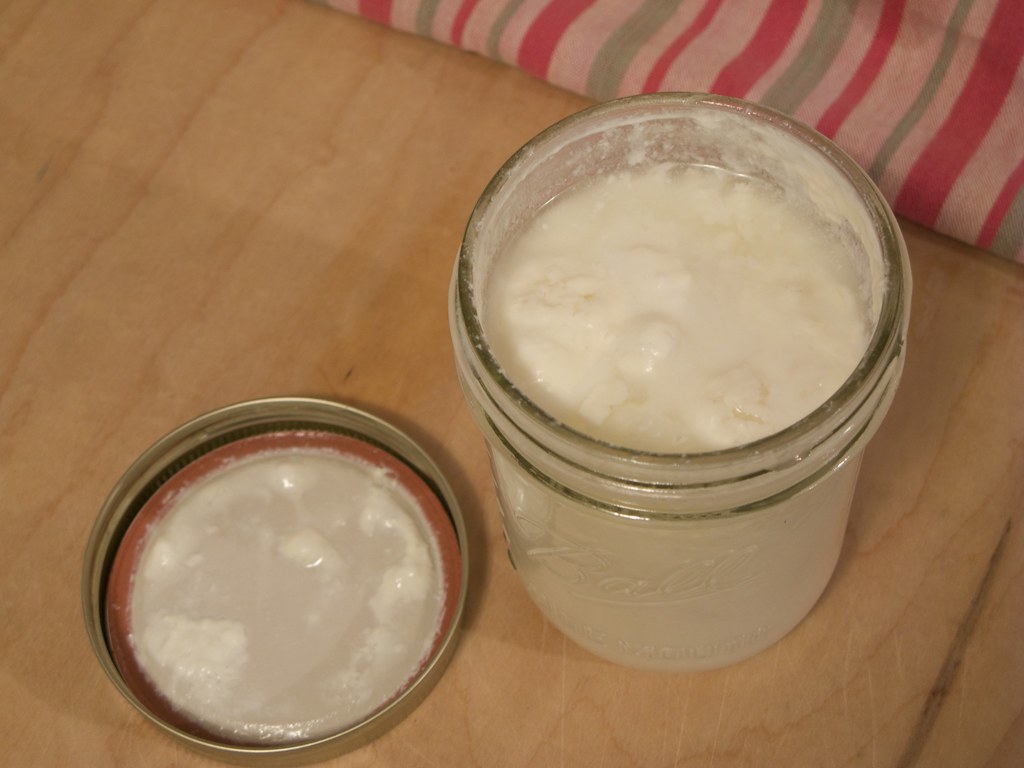
Fermented foods deliver live microbes and are linked to greater gut diversity. Work them in gradually to avoid bloating.
- Yogurt and kefir
- Sauerkraut and kimchi
- Miso and tempeh
Aim for 30 plants a week
Research suggests people who eat 30+ different plant foods a week have more diverse microbiomes than those who eat 10 or fewer. Herbs, spices, nuts, and seeds all count — it’s easier to hit than it sounds.
Go easy on ultra-processed foods
Diets high in ultra-processed foods and low in fiber are associated with less microbial diversity. You don’t need perfection — just shift the balance toward whole foods.
Do you need a probiotic supplement?
For most healthy people, food-based sources are enough. Supplements can help in specific situations (like after antibiotics), but talk to a professional rather than guessing.
Frequently asked questions
What foods are best for gut health?
High-fiber plants and fermented foods like yogurt, kefir, sauerkraut, and kimchi are the foundation.
How long until gut changes happen?
Your microbiome can start shifting within days of dietary change, though lasting benefits come from consistent habits.
Are probiotic supplements necessary?
Not usually. Most people do well feeding their existing microbes with fiber and fermented foods.
The takeaway
Feed your microbiome with fiber and variety — aim for 30 different plants a week, add fermented foods, and ease off ultra-processed stuff. That simple pattern supports digestion, immunity, and overall health without any special supplements.
Affiliate & medical disclosure: This review is independent and for information only, not medical advice. Some links may be affiliate links; we may earn a commission at no cost to you, which never affects our score. Consult a licensed provider before starting any product.