Healthy Fats Explained: Which Fats to Eat and Which to Limit
For decades, fat was the dietary villain, and low-fat products lined every shelf. We now know that story was far too simple: fat is essential, and the type of fat matters far more than the total amount.
Understanding the difference between healthy and less-healthy fats lets you eat in a way that supports your heart, brain, and overall health.
Why your body needs fat
Fat isn’t just stored energy — it’s structural and functional. It builds cell membranes, supports brain health, helps produce hormones, and is required to absorb fat-soluble vitamins A, D, E, and K.
Cutting fat too low can backfire, affecting hormones, satiety, and nutrient absorption. The goal isn’t less fat — it’s better fat.
The fats to embrace
Unsaturated fats — both monounsaturated and polyunsaturated — are the ones to build your diet around. They support heart health and reduce inflammation, and include the essential omega-3 fatty acids your body can’t make itself.
Great sources include:
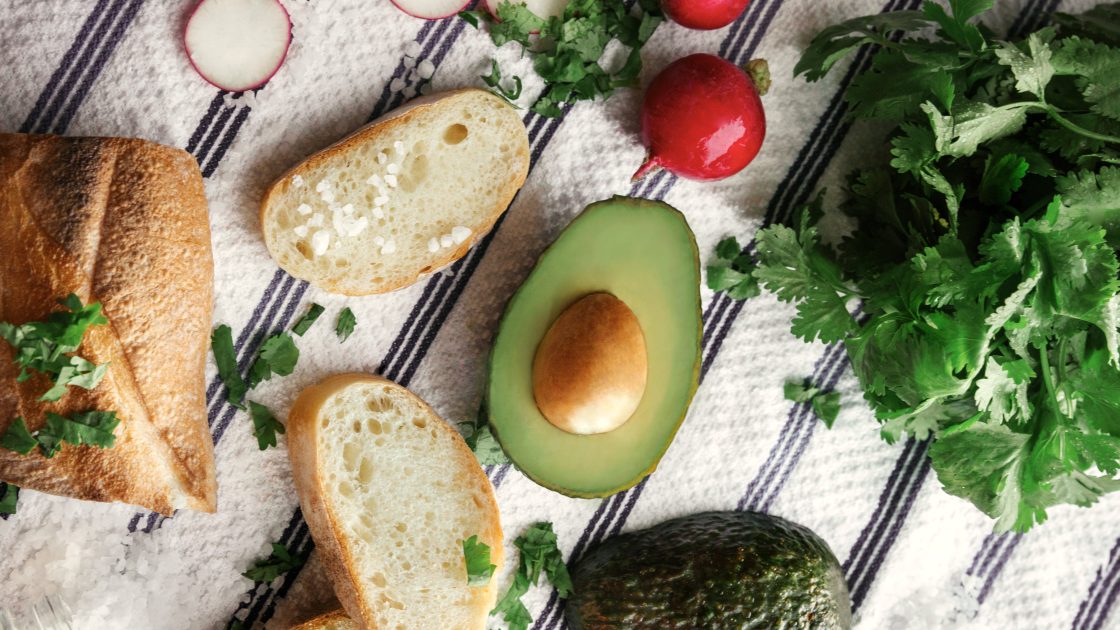
- Olive oil and avocados
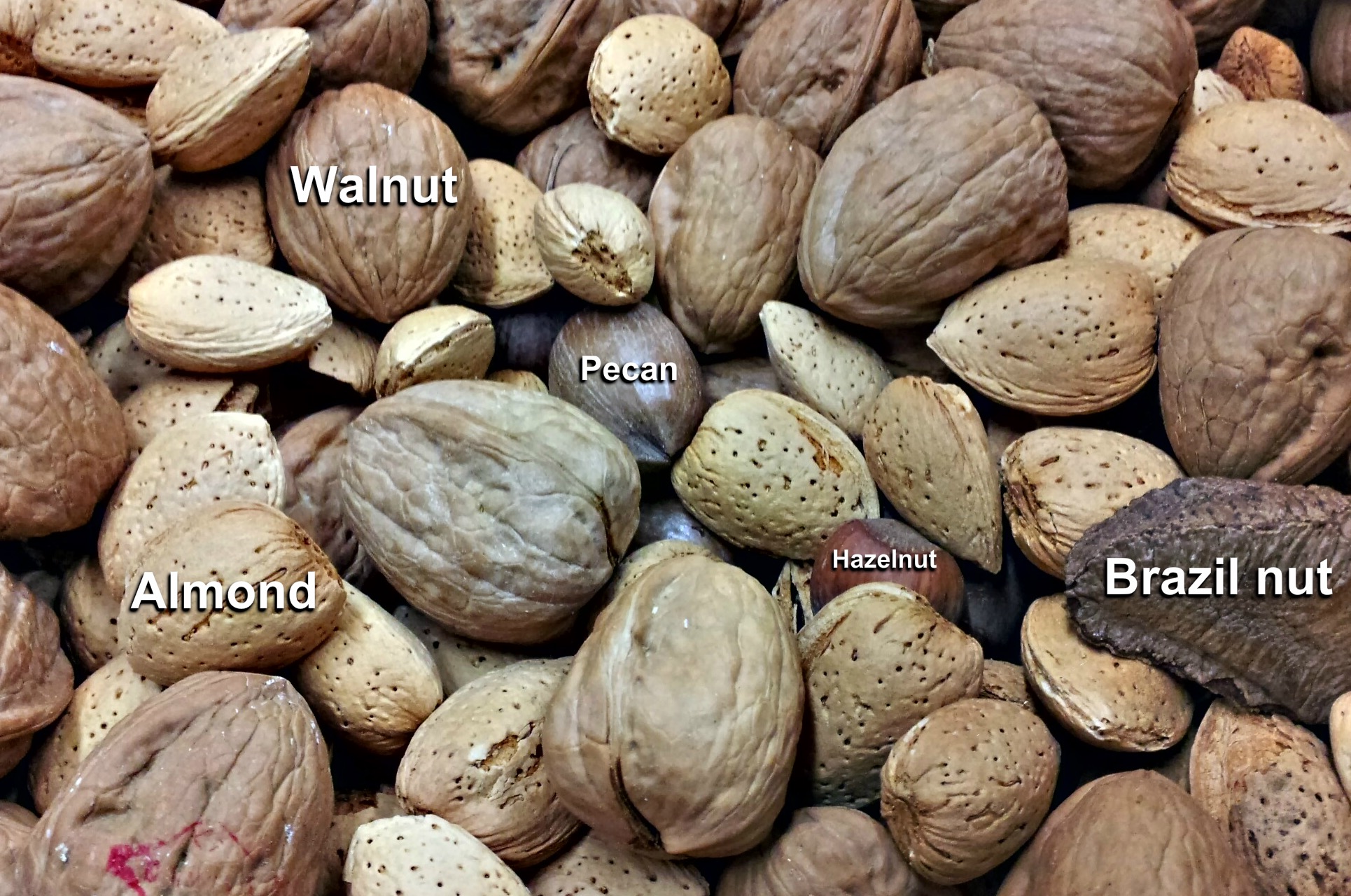
- Nuts and seeds (walnuts, almonds, chia, flax)
- Fatty fish like salmon, sardines, and mackerel
- Natural nut and seed butters
The fats to limit
Trans fats are the clear ones to avoid — largely artificial, they raise bad cholesterol and lower good cholesterol, and are being phased out of the food supply. Check labels for ‘partially hydrogenated oils.’
Saturated fats, found in fatty meat, butter, and full-fat dairy, are more nuanced. Current guidance is to enjoy them in moderation rather than eliminate them, while emphasizing unsaturated fats overall.
The omega-3 advantage
Omega-3 fatty acids deserve special mention. They’re linked to heart health, brain function, and lower inflammation, yet many people don’t get enough.
Aim for fatty fish a couple of times a week, and include plant sources like walnuts, chia, and flax. If you rarely eat fish, an omega-3 supplement is worth discussing with your doctor.
Putting it into practice
You don’t need to fear fat or count every gram. Cook with olive oil, snack on nuts, add avocado to meals, eat fish regularly, and minimize heavily processed foods where trans and low-quality fats hide.
Do that, and healthy fats become a natural, satisfying part of your diet rather than something to stress about.
Frequently asked questions
Is saturated fat bad for you?
It’s more nuanced than once thought. Most guidance suggests enjoying saturated fat in moderation while prioritizing unsaturated fats, rather than eliminating it entirely.
What are the healthiest fats?
Unsaturated fats from olive oil, avocados, nuts, seeds, and fatty fish — especially omega-3-rich sources — are consistently linked to better health.
Should I avoid fat to lose weight?
No. Healthy fats are satisfying and support health. Weight comes down to overall calories and diet quality, not fat avoidance.
The takeaway
Fat is essential, and quality is everything. Build your diet around unsaturated fats from olive oil, nuts, seeds, avocado, and fatty fish, avoid artificial trans fats, and enjoy saturated fat in moderation — your heart and brain will benefit.
Affiliate & medical disclosure: This review is independent and for information only, not medical advice. Some links may be affiliate links; we may earn a commission at no cost to you, which never affects our score. Consult a licensed provider before starting any product.