High-Protein Eating for Weight Loss, Explained Simply
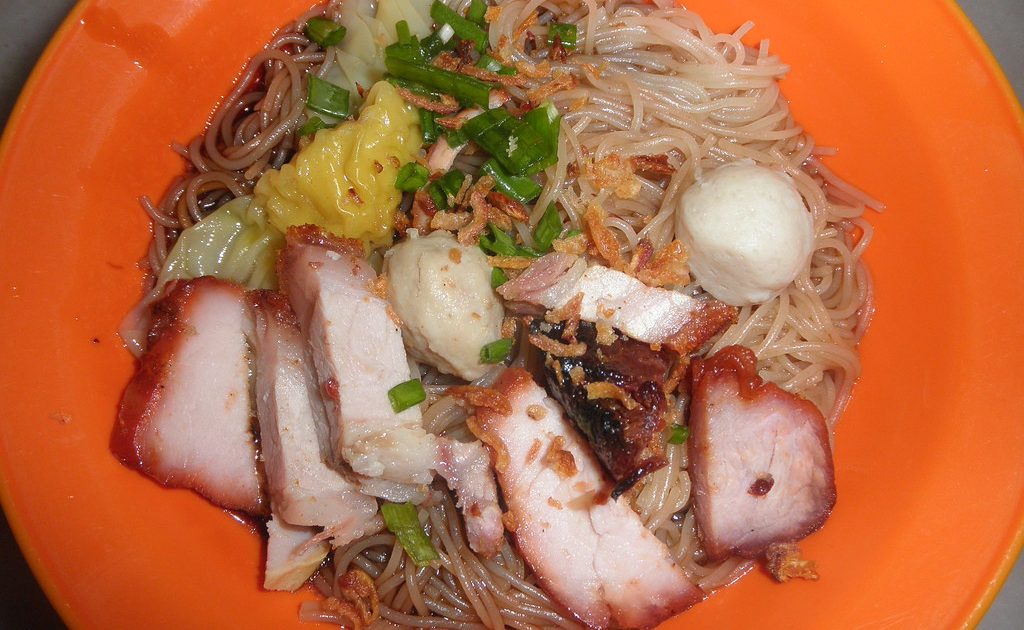
If there’s one nutrition lever worth pulling for fat loss, it’s protein. It’s the most filling of the three macronutrients, it protects the muscle you don’t want to lose while dieting, and your body burns more energy digesting it than it does carbs or fat.
This guide explains, in plain language, why protein helps with weight loss, roughly how much you need, and the simplest way to build meals around it — no rigid diet required.
Why protein helps you lose fat
Protein works on several fronts at once. It’s highly satiating, so higher-protein meals reduce hunger and cravings and make a calorie deficit easier to sustain. It preserves lean muscle, which keeps your metabolism higher and your body looking toned rather than merely smaller. And it has the highest ‘thermic effect’ — your body spends more energy just processing it.
How much protein do you actually need?
For active people losing weight, a common evidence-based range is roughly 1.6 to 2.2 grams of protein per kilogram of body weight per day (about 0.7 to 1 gram per pound). Spread it across your meals rather than loading it all at dinner, since your body uses it more effectively that way.
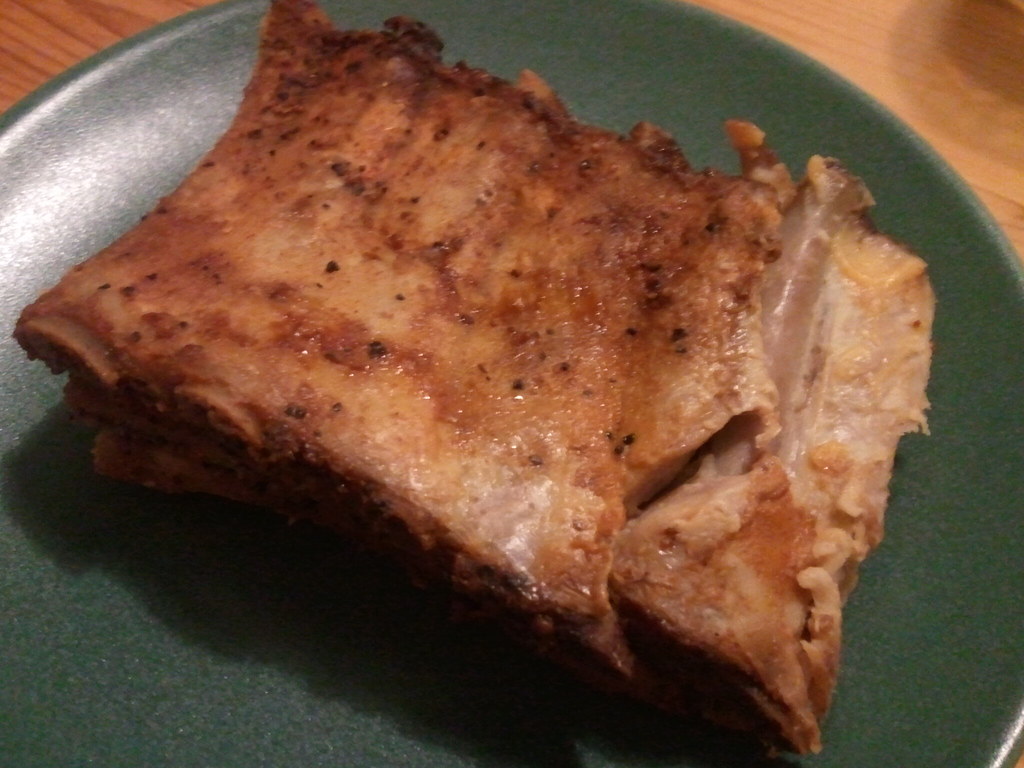
The best protein sources
You don’t need shakes or special products, though they can help convenience. Whole foods do the job well.
- Eggs, Greek yogurt, cottage cheese
- Chicken, turkey, fish, lean beef
- Tofu, tempeh, edamame, lentils
- Protein powder for convenience, if needed
Build every meal around a protein anchor
The single most useful habit is simple: start each plate with a palm-sized (or larger) protein source, then add vegetables and a smart carbohydrate. Anchoring meals this way quietly raises your protein, increases fullness, and improves most diets without counting anything.
Protein and GLP-1 medications
If you’re using a GLP-1 medication for weight loss, adequate protein becomes even more important. These medications suppress appetite, which can make it easy to under-eat protein and lose muscle along with fat. Prioritizing protein at each meal helps protect lean mass during rapid weight loss.
What not to overthink
You don’t need to hit a number to the gram, cycle carbs, or fear the occasional treat. Anchor meals with protein and vegetables most of the time, stay roughly in your range, and the rest tends to take care of itself.
Frequently asked questions
Can you eat too much protein?
For healthy people, moderately high protein is safe. Very high intakes offer little extra benefit for weight loss and can crowd out other foods. Those with kidney disease should consult a doctor.
Do I need protein shakes?
No — whole foods work well. Shakes are simply a convenient way to hit your target when you’re busy or not very hungry.
When should I eat protein?
Spread it across your meals rather than saving it for one. Even distribution helps with fullness and muscle preservation.
The takeaway
You don’t need a rigid diet — just anchor each meal with a palm-sized protein and plenty of vegetables, aim roughly for 1.6–2.2 g/kg per day, and spread it across the day. That one habit makes fat loss easier and protects the muscle you want to keep.
Affiliate & medical disclosure: This review is independent and for information only, not medical advice. Some links may be affiliate links; we may earn a commission at no cost to you, which never affects our score. Consult a licensed provider before starting any product.