How to Build an Exercise Habit That Actually Sticks
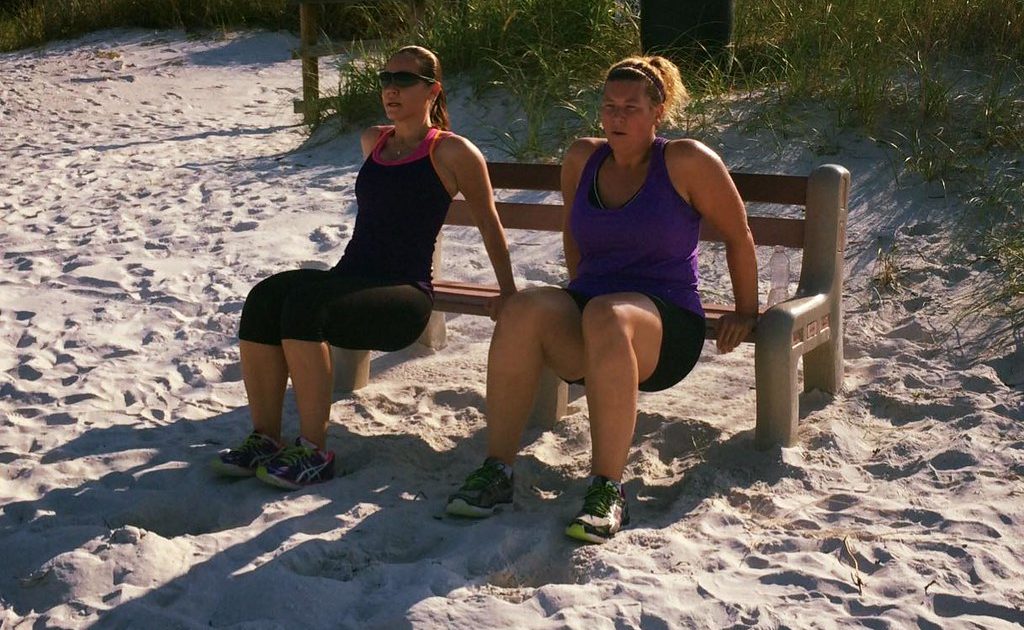
Most people don’t struggle to start exercising — they struggle to keep going. Motivation fades; systems endure. The trick is designing a habit that survives busy, tired, unmotivated days.
Here’s how to make movement automatic, using behavior-science principles instead of willpower.
Start absurdly small
Begin with a version so easy you can’t say no — a 10-minute walk, five push-ups, one yoga pose. Tiny habits build the identity and consistency that bigger goals require.
Anchor it to an existing routine
Attach exercise to something you already do: after your morning coffee, before your shower, during a lunch break. The existing habit becomes the trigger.
Make it obvious and easy
Lay out your clothes the night before, keep equipment visible, choose a gym on your commute. Reduce every ounce of friction between you and the workout.
- Lay out clothes in advance
- Keep equipment in sight
- Schedule it like an appointment
Focus on showing up, not performance
On low days, lower the bar — do the tiny version rather than skipping. Never missing twice in a row is the real secret to consistency.
Track and reward progress
Marking an X on a calendar or logging workouts creates satisfying momentum. Pair exercise with something you enjoy (a podcast, a favorite playlist) so it feels rewarding.
Frequently asked questions
How long until exercise becomes a habit?
Often a few weeks to a couple of months, depending on the person and how consistent you are.
What if I miss workouts?
Miss once and simply resume. The goal is never missing twice in a row.
How much exercise do I need?
Guidelines suggest about 150 minutes of moderate activity a week, but anything is better than nothing — start where you are.
The takeaway
Habits beat motivation. Start absurdly small, anchor exercise to an existing routine, remove friction, and focus on showing up rather than performance. Never miss twice in a row, and movement gradually becomes just something you do.
Affiliate & medical disclosure: This review is independent and for information only, not medical advice. Some links may be affiliate links; we may earn a commission at no cost to you, which never affects our score. Consult a licensed provider before starting any product.