How to Read a Nutrition Label in 60 Seconds
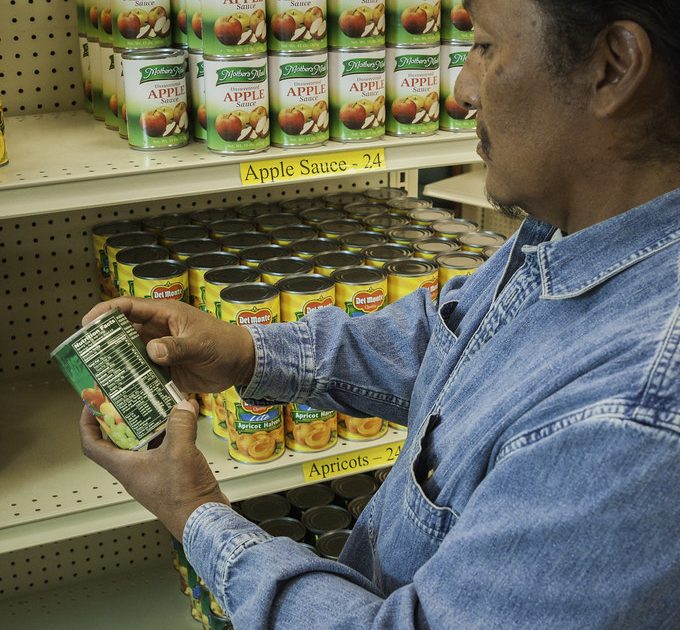
Nutrition labels pack a lot of information into a small box, and food marketing on the front of the package is often misleading. Learning to read the label quickly is one of the most useful nutrition skills you can build.
Here’s a fast, practical way to decode any label and see past the marketing.
Start with the serving size
Everything on the label refers to one serving — and packages often contain several. If a snack bag lists 3 servings, those calories and sugar figures triple if you eat the whole thing. Always check this first.
Scan the key numbers
You don’t need to memorize everything. Focus on a handful of lines.
- Calories per serving (in context of the whole package)
- Added sugars — lower is generally better
- Fiber and protein — higher is generally better
- Sodium — watch it in processed foods
Added sugars vs. total sugars
Labels now separate ‘added sugars’ from naturally occurring ones. The added-sugar line is the one to watch — it’s the sugar dumped in during processing, and most of us eat too much of it.
Check the ingredient list
Ingredients are listed by weight, most first. A short list of recognizable ingredients is usually a good sign; a long list of additives and multiple forms of sugar (syrup, dextrose, concentrate) is a flag.
Ignore most front-of-package claims
‘Natural,’ ‘made with real fruit,’ and ‘multigrain’ are marketing, not nutrition facts. Flip the package over and trust the label instead.
Frequently asked questions
What’s the most important part of a label?
Serving size — it changes how you interpret every other number.
How much added sugar is too much?
Guidelines suggest keeping added sugars under about 10% of daily calories; less is better.
Are front-of-package claims regulated?
Loosely. Many are marketing terms with no strict definition, so rely on the label and ingredients.
The takeaway
To read any label fast: check the serving size first, then scan added sugars, fiber, protein, and sodium, and glance at the ingredient list. Ignore the marketing on the front — the truth is always on the back.
Affiliate & medical disclosure: This review is independent and for information only, not medical advice. Some links may be affiliate links; we may earn a commission at no cost to you, which never affects our score. Consult a licensed provider before starting any product.