Iron Deficiency: Warning Signs and the Best Food Sources
Iron deficiency is one of the most common nutrient deficiencies worldwide, yet its early symptoms — fatigue, mild weakness, trouble concentrating — are so easy to attribute to a busy schedule or poor sleep that many people go undiagnosed for months or longer.
A common mistake is assuming that feeling tired always means you need more sleep or caffeine, when a simple blood test might reveal that low iron stores are the actual underlying issue, something caffeine and extra rest won’t fix.
Why Iron Matters
Iron is essential for producing hemoglobin, the protein in red blood cells that carries oxygen throughout the body. Without adequate iron, the body struggles to transport oxygen efficiently, which is why fatigue and weakness are hallmark symptoms of deficiency.
According to the NIH’s Office of Dietary Supplements, iron deficiency is among the most common nutritional deficiencies globally, with certain groups at meaningfully higher risk, including menstruating women, pregnant women, young children, and people following vegetarian or vegan diets.
Recognizing the Warning Signs
Symptoms often develop gradually, which is part of why they’re easy to overlook or misattribute to other causes.
- Persistent fatigue and weakness that doesn’t improve with adequate sleep.
- Pale skin and, in some cases, pale inner eyelids.
- Shortness of breath or a rapid heartbeat during activities that previously felt easy.
- Brittle nails and, in some cases, unusual cravings for non-food items like ice (a symptom called pica).
- Frequent headaches and difficulty concentrating.
Heme vs. Non-Heme Iron
Iron in food comes in two forms: heme iron, found in animal products like meat, poultry, and fish, and non-heme iron, found in plant foods like beans, lentils, and spinach. Heme iron is generally absorbed more efficiently by the body, which is part of why vegetarians and vegans need to be more intentional about total iron intake and absorption strategies.
Pairing non-heme iron sources with vitamin C-rich foods (like adding bell peppers or citrus to a lentil dish) can meaningfully improve absorption, while calcium and certain compounds in tea and coffee can inhibit iron absorption when consumed at the same meal.
Best Food Sources of Iron
A varied diet can supply adequate iron for most people, particularly when absorption-boosting strategies are used alongside iron-rich foods.
- Animal sources: Red meat, poultry, and fish provide well-absorbed heme iron.
- Legumes: Lentils, chickpeas, and beans are strong plant-based sources of non-heme iron.
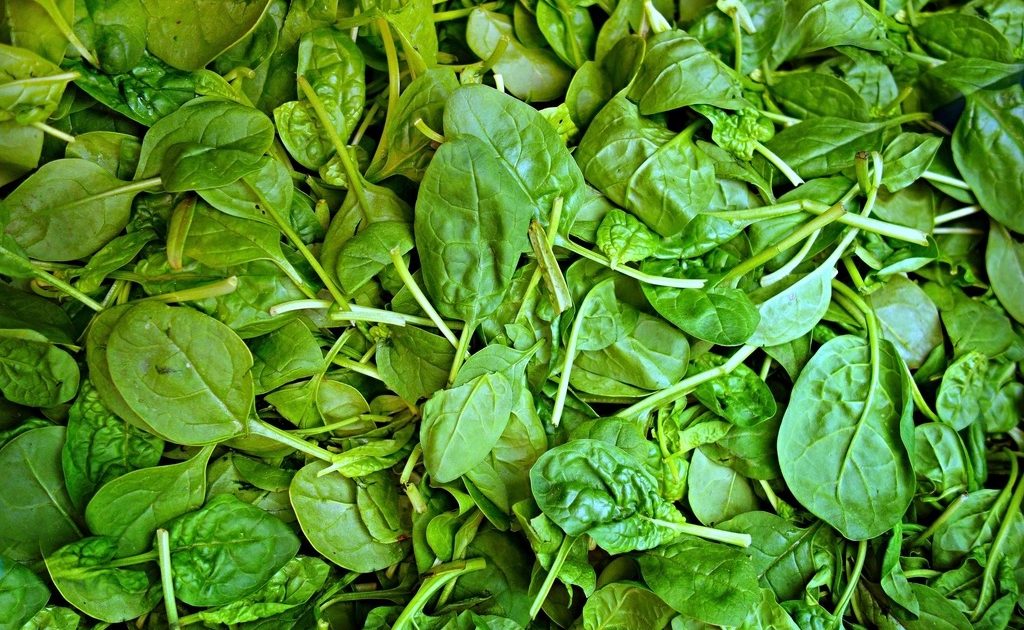
- Leafy greens: Spinach and other dark leafy greens contain meaningful amounts of non-heme iron, though absorption is comparatively lower.
- Fortified foods: Many breakfast cereals and grain products are fortified with iron, which can be a useful supplemental source.
- Nuts and seeds: Pumpkin seeds and cashews provide modest amounts of iron alongside other nutrients.
Iron and Exercise Performance
Iron deficiency can be particularly relevant for endurance athletes and highly active people, since intense training can modestly increase iron losses through mechanisms like foot-strike hemolysis (red blood cell breakdown from repeated impact, notably in runners) and increased gastrointestinal losses. This is part of why some athletes, particularly female endurance athletes, are monitored more closely for iron status.
Even mild, sub-clinical iron deficiency without full-blown anemia has been associated in some research with reduced endurance performance, which is a useful reason for active individuals experiencing unexplained fatigue or declining performance to consider iron status as one possible factor worth discussing with a healthcare provider, alongside more common explanations like inadequate recovery or sleep.
Iron Overload: The Other Side of the Coin
While deficiency is far more common in the general population, it’s worth knowing that iron overload is also possible, particularly for people with a genetic condition called hemochromatosis, which causes the body to absorb too much iron from food over time. This is one of the key reasons health professionals generally recommend against high-dose iron supplementation without a confirmed need.
For most healthy people without this genetic predisposition, getting iron from food poses essentially no overload risk, since the body naturally regulates absorption from dietary sources more tightly than it does from concentrated supplements. This distinction is part of why food-first strategies are generally the safer starting point before considering supplementation.
How to Apply This: Boosting Iron Intake Naturally
- Combine iron and vitamin C at meals — for example, adding lemon juice or bell peppers to a lentil salad.
- Separate iron-rich meals from tea, coffee, or calcium supplements by an hour or two, since these can reduce absorption when consumed together.
- Include a variety of iron sources throughout the week rather than relying on a single food.
- Cook with cast iron cookware occasionally, which can modestly increase the iron content of some foods, particularly acidic dishes like tomato sauce.
If you suspect you may be iron deficient based on symptoms, don’t self-diagnose or begin high-dose iron supplements without guidance — a simple blood test can confirm deficiency, and a healthcare provider can recommend an appropriate approach, since excess iron supplementation can also cause health problems.
Who is most at risk for iron deficiency?
Menstruating women, pregnant women, young children, frequent blood donors, and people following vegetarian or vegan diets are generally at higher risk, according to the NIH.
Can I get enough iron from a plant-based diet?
Yes, with careful planning. Combining iron-rich plant foods with vitamin C sources and including a variety of legumes, fortified grains, and seeds can help meet iron needs, though some people may still benefit from monitoring or supplementation under medical guidance.
Should I take an iron supplement just in case?
Not without testing first. Iron supplementation without a confirmed deficiency can lead to excess iron buildup, which carries its own health risks, so a blood test is the appropriate first step.
How is iron deficiency diagnosed?
A healthcare provider typically orders a blood test measuring hemoglobin and ferritin (iron stores) levels to confirm deficiency and determine appropriate treatment.
Does cooking in cast iron really add iron to food?
Yes, modestly. Studies have found that cooking acidic foods, like tomato sauce, in cast iron cookware can meaningfully increase their iron content, though it’s a minor supplementary strategy rather than a primary way to address a diagnosed deficiency.
Affiliate & medical disclosure: This review is independent and for information only, not medical advice. Some links may be affiliate links; we may earn a commission at no cost to you, which never affects our score. Consult a licensed provider before starting any product.