Portion Distortion: How Plate Size Quietly Sabotages Your Diet
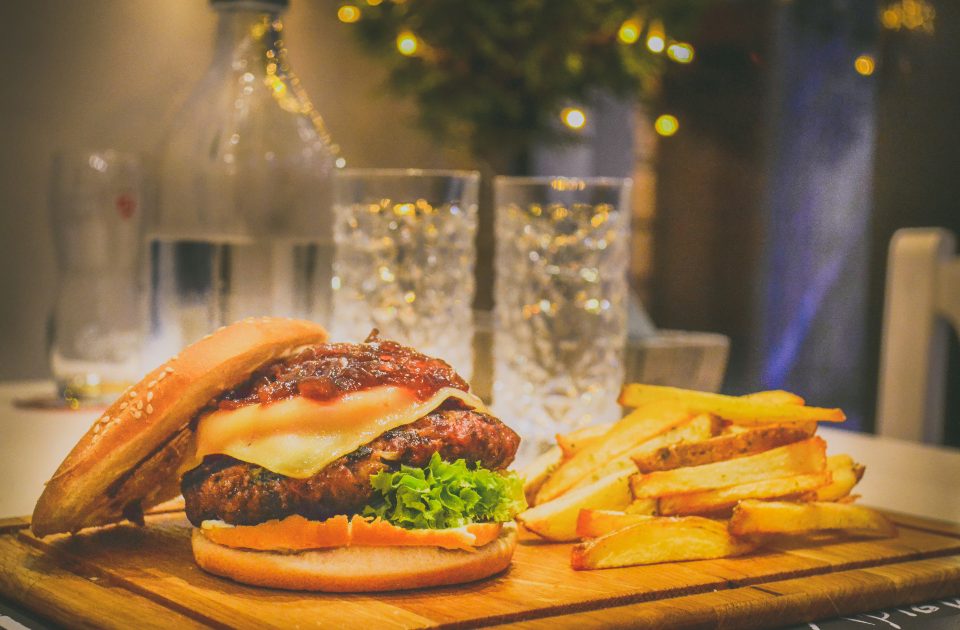
The same amount of pasta looks generous on a small plate and skimpy on a large one, even though the calorie count on the scale hasn’t changed at all. This is portion distortion, and it’s one of the more quietly powerful ways your environment influences how much you eat — often without you noticing it’s happening at all.
Restaurant portions have grown substantially over the past few decades, and home dishware has grown right along with them. The result is a food environment where “normal” now often means considerably more than what the body actually needs, and your eyes have adjusted accordingly.
What Portion Distortion Actually Means
Portion distortion describes the gradual shift in what people perceive as a “normal” serving size, driven largely by exposure to increasingly large restaurant portions, packaged food sizes, and dinnerware. Research on plate size and consumption consistently shows that people tend to serve themselves more food on larger plates and often eat most or all of what they serve, regardless of the plate’s actual size.
This isn’t about willpower. It’s a well-documented perceptual effect: the same portion looks smaller relative to a larger plate, which can make people unconsciously add more food to make the plate “look right” compared to their internal sense of a normal serving.
How Portions Have Actually Changed
Nutrition researchers and public health organizations have documented those changes for decades: bagels, sodas, muffins, and restaurant entrees have all increased significantly in typical size since the 1980s and 1990s, in some cases more than doubling. Dinner plates in many households have also grown several inches in diameter compared to a few decades ago.
- Many restaurant entrees today are substantially larger than standard servings from a few decades ago.
- Take-out and packaged snack sizes have followed a similar upward trend.
- Home dinnerware has grown larger, changing the visual reference point for what a “full plate” looks like.
Why This Matters for Calorie Intake
Research consistently shows that larger portions lead people to eat more, even when they aren’t hungrier than usual and even when they don’t consciously register having eaten more. This is sometimes called the “portion size effect,” and it applies across a wide range of foods, not just obviously indulgent ones.
The Academy of Nutrition and Dietetics notes that portion awareness is one of the more practical, sustainable levers for weight management, precisely because it doesn’t require eliminating any specific food — it simply adjusts how much of it ends up on the plate to begin with. Small, repeated portion overages at most meals can add up to a meaningful calorie surplus over weeks and months without ever feeling like a dramatic change in eating habits.
- Larger portions increase intake even without increased hunger or awareness.
- The effect applies broadly across food types, not just “junk food.”
- Modest, consistent portion overages accumulate into significant calorie surpluses over time.
Visual Cues That Distort Perception
Beyond plate size, several other visual and environmental cues shape how much people serve and eat without any conscious calculation involved. Tall, narrow glasses make drinks look larger than short, wide ones holding the same volume, which is why people often pour more into a short glass while believing they’re pouring less.
- Plate size: larger plates are consistently associated with larger self-served portions.
- Glass shape: short, wide glasses lead to over-pouring compared to tall, narrow ones.
- Serving container size: eating directly from a large bag or box removes a natural portion reference point.
- Plate-to-food color contrast: low contrast between food and plate color can make it harder to visually judge portion size accurately.
How to Apply This: Practical Portion Strategies
You don’t need to weigh every meal indefinitely to benefit from portion awareness. A few environmental adjustments can meaningfully reduce the unconscious overeating that portion distortion tends to create.
- Use smaller dinner plates (around 9-10 inches) at home, particularly for calorie-dense meals.
- Portion snacks into a bowl instead of eating directly from a large bag or box.
- Use your hand as a rough, portable reference: a palm-sized portion of protein, a fist-sized portion of vegetables, and a cupped-hand portion of carbohydrates is a reasonable general starting point for many adults.
- When eating out, consider sharing a large entree or boxing up half before you start eating, rather than deciding partway through an already-served large portion.
- Serve food from the stove or counter rather than placing serving dishes directly on the table, which reduces easy access to second helpings.
- Periodically check your intuitive portion sense against a kitchen scale or measuring cup for a week or two, since perception tends to drift back toward “normal” for your environment over time.
Individual Variation and Balance
Portion needs vary considerably based on body size, activity level, age, and individual goals, so there’s no single universal “correct” portion that applies to everyone. Athletes and very physically active people may need meaningfully larger portions than the general guidance above suggests, while more sedentary individuals may need somewhat less.
The goal of portion awareness isn’t rigid restriction or anxiety about food, which can backfire into disordered eating patterns for some people. It’s simply building enough awareness of true serving sizes to make informed choices, especially in a food environment that has quietly recalibrated what “normal” looks like.
Does using smaller plates actually help with weight loss?
For many people, yes, modestly. It reduces unconscious over-serving, though it works best combined with overall attention to diet quality rather than as a stand-alone strategy.
How can I tell if my portions have grown out of habit?
Comparing your typical serving to a measuring cup or food scale occasionally is the most reliable way to check, since visual perception adapts to whatever portion sizes you’re regularly exposed to.
Is it bad to eat large portions occasionally?
No. Occasional large meals, such as at celebrations, are a normal part of eating and not something to be anxious about. The concern is really about consistent, everyday portion creep rather than occasional exceptions.
Do restaurant portions really affect how much I eat at home?
Yes, over time. Repeated exposure to larger restaurant portions can shift your general sense of what a “normal” serving looks like, which can carry over into how you portion food at home as well.
Affiliate & medical disclosure: This review is independent and for information only, not medical advice. Some links may be affiliate links; we may earn a commission at no cost to you, which never affects our score. Consult a licensed provider before starting any product.