Progressive Overload Explained: The One Principle Behind All Strength Gains
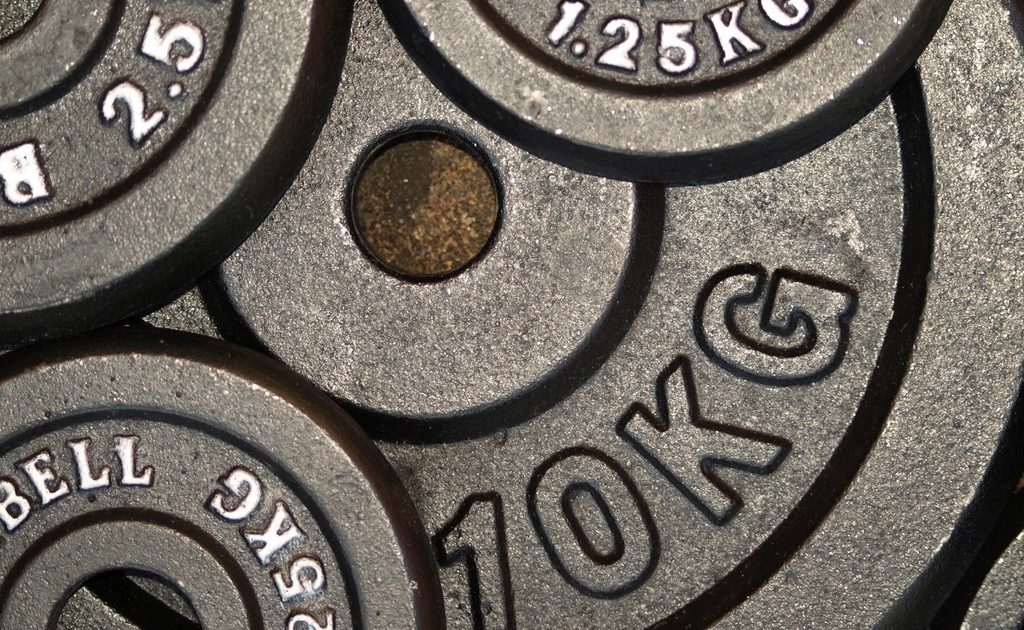
Walk into any serious strength program and you’ll find dozens of different rep schemes, splits, and exercise selections — but underneath nearly all of them is a single unifying principle: progressive overload. Without it, muscles and strength plateau no matter how hard a workout feels in the moment.
This guide explains what progressive overload actually means, why it works, the different ways to apply it beyond just “add more weight,” and a simple framework for building it into any training plan.
What Progressive Overload Actually Means
Progressive overload is the gradual increase of stress placed on the body during training, forcing muscles, connective tissue, and the nervous system to adapt over time. The adaptation — more strength, more muscle, better endurance — is the body’s response to a demand it hasn’t fully adapted to yet. Once it adapts, the same stimulus stops producing further change, which is why “doing the same workout forever” eventually stalls progress.
This applies broadly, not just to lifting: it’s the same principle behind runners increasing weekly mileage or swimmers adding intervals. The key is that the increase in demand needs to be gradual enough to allow recovery, but consistent enough to keep driving adaptation.
Why It Works: The Adaptation Response
When a muscle is challenged beyond its current capacity, microscopic damage occurs in the muscle fibers. During recovery — which requires adequate protein intake (commonly cited around 1.2-2.0 g/kg body weight for active adults) and sleep — the body repairs this damage and, in response to repeated stimulus, builds slightly more capacity than before. Increase the demand again once the body has adapted, and the cycle repeats.
This is also why rest days matter as much as training days: the adaptation itself happens during recovery, not during the workout. Skipping progressive overload — or skipping recovery — are two of the most common reasons people plateau despite training consistently.
Five Ways to Apply Progressive Overload
Adding weight to the bar is the most obvious method, but it’s far from the only one, and relying on it exclusively is a common reason people stall or get injured by increasing load too aggressively.
- Increase weight: the classic method — small, consistent load increases over weeks
- Increase reps: perform more repetitions at the same weight before increasing load
- Increase sets: add training volume without changing weight or reps
- Improve technique/range of motion: a fuller range of motion at the same weight is genuinely harder
- Reduce rest time: shortening rest between sets increases the metabolic demand of a session
Common Mistakes That Stall Progress
The most common mistake is progressing too fast — adding weight every single session regardless of whether form or recovery can support it, which raises injury risk without necessarily improving results. The opposite mistake, staying at the same weight and reps indefinitely out of caution, also stalls progress because there’s no increasing demand to adapt to.
Another frequent issue is neglecting recovery inputs. Progressive overload only works if the body can actually recover between sessions; without enough sleep, protein, and rest days, added training stress just accumulates as fatigue rather than adaptation.
Tracking Progress So You Know It’s Working
Without some form of tracking, it’s easy to unconsciously stay in a comfortable rut. A simple log — weight, sets, reps, and how hard the last set felt — is enough to see whether you’re actually progressing month to month.
- Log every working set: weight, reps, and effort (e.g. “2 reps left in the tank”)
- Review every 4 weeks to confirm an upward trend in volume or load
- Deload (reduce volume/intensity for a week) every 4-8 weeks to manage accumulated fatigue
How to Apply This: A Simple 8-Week Progression Plan
- Weeks 1-2: establish a baseline weight for each main lift at a rep range where the last 1-2 reps feel challenging but with good form.
- Weeks 3-4: add small increments (2.5-5% load, or 1-2 reps per set) each week if the previous week’s reps were completed with good form.
- Weeks 5-6: continue progressing load or reps; if progress stalls, add one extra set per exercise instead of more weight.
- Week 7: push a genuine top-effort week within safe form limits to gauge how far you’ve come.
- Week 8: deload — reduce volume by roughly 40-50% to allow full recovery before starting the next cycle.
How often should I increase weight in my workouts?
For most lifters, small increases every 1-2 weeks on main lifts is sustainable; trying to add weight every single session is usually too aggressive to maintain with good form.
Can beginners progress faster than experienced lifters?
Yes — new lifters typically see faster strength gains (“beginner gains”) because their nervous system and muscles are adapting to resistance training for the first time; the rate of progress naturally slows as training experience increases.
Do I need to increase weight every workout to keep building muscle?
No. Increasing reps, sets, or range of motion are equally valid forms of progressive overload, and alternating methods can reduce injury risk compared to constantly chasing heavier loads.
What if my strength stalls for several weeks in a row?
A genuine plateau often signals a need for more recovery (sleep, protein, or a deload week) rather than pushing harder — check those recovery inputs before assuming you need a completely different program.
Affiliate & medical disclosure: This review is independent and for information only, not medical advice. Some links may be affiliate links; we may earn a commission at no cost to you, which never affects our score. Consult a licensed provider before starting any product.