Slumber Review: A Sleep Brand That Understands the Difference Between Falling Asleep and Staying Asleep
Most sleep products solve the wrong problem. Melatonin, the default choice for millions, primarily influences when you feel sleepy — it nudges circadian timing. That is genuinely useful for jet lag or a shifted schedule, and largely irrelevant if your actual complaint is waking at three in the morning and staring at the ceiling.
Slumber built a brand on that distinction, and it is the main reason the company is worth taking seriously rather than filing alongside every other supplement promising better rest.
What Slumber sells
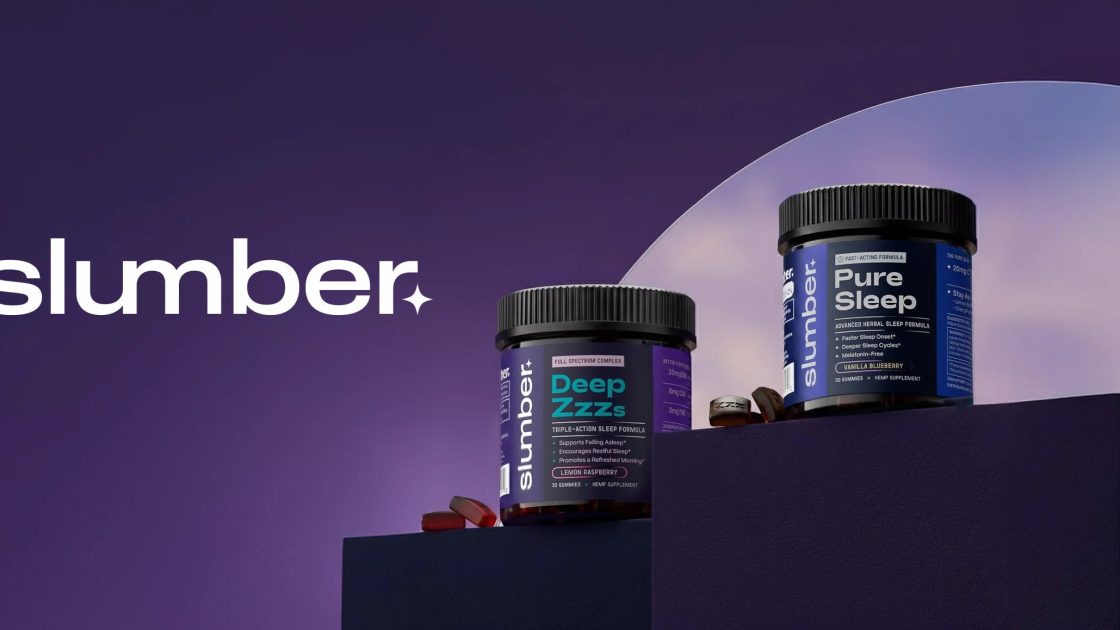
Gummies, tinctures, capsules and powders for sleep, plus a smaller daytime range for energy and focus. The formulations centre on CBN — a minor cannabinoid marketed as sleep-specific — supported by CBD, THC in select products, magnesium glycinate, and proprietary blends called Maizinol® and RestorePlex™. The flagship Deep Zzzs formula combines multiple cannabinoids with supporting plant compounds. Pricing runs $29 to $75, with subscriptions saving roughly 30%.
The evidence, presented fairly
Slumber cites an independent sleep study reporting 72 additional minutes of sleep per night and 47% fewer nighttime wake-ups. Commissioning research at all puts the brand well ahead of competitors who publish nothing, and those are meaningful numbers if they replicate.
The caveats are equally real: brand-funded studies are not independent replication, and sleep outcomes are unusually vulnerable to placebo effects because so much of the measure is subjective. CBN research is also considerably younger and thinner than the literature on CBD. Our reading is cautious optimism rather than confidence.
The ingredient we would buy it for
Magnesium glycinate is the quiet strength of these formulas. Magnesium contributes to normal muscle and nerve function, and the National Institutes of Health notes that many US adults consume less than the recommended amount from diet alone — generally 310-420mg daily for adults depending on age and sex. Glycinate is among the gentler forms on digestion, which matters for anything taken nightly.
The context for all of this: the CDC reports that roughly one in three US adults gets insufficient sleep, and the National Sleep Foundation recommends 7-9 hours for most adults. That gap is enormous, and it is why the sleep-supplement market exists.
What we would do first, and it costs nothing
- Set a consistent wake time — the morning anchor stabilizes the whole rhythm more reliably than bedtime does.
- Make the bedroom dark and cool; light is the strongest signal your circadian system reads.
- Move caffeine earlier in the day. Its effects persist far longer than most people assume.
- Try plain magnesium glycinate for two weeks and note what changes.
- Only then add a cannabinoid formula, so you can attribute any improvement correctly.
Who it suits
- Good fit: people who fall asleep normally but wake repeatedly, those for whom melatonin does nothing or causes morning grogginess, and buyers who want third-party testing and stated medical oversight rather than an anonymous blend.
- Poor fit: budget-first shoppers, anyone who must avoid THC without checking every label, and anyone hoping a supplement will substitute for treating an underlying sleep disorder.
Safety, and knowing when to stop shopping
Cannabinoid supplements are not evaluated by the FDA to diagnose, treat or cure any condition, and individual response varies widely. Check your local laws, start at the lowest suggested serving, and speak to a healthcare provider first if you are pregnant, nursing, taking prescription medication — especially sedatives, antidepressants or blood thinners — or managing a diagnosed condition.
There is a line worth drawing plainly. Occasional restless nights respond well to habits and, for some people, a supplement. Insomnia persisting beyond three months, loud snoring paired with daytime exhaustion, or waking gasping for air are different problems entirely — chronic insomnia and sleep apnoea are medical conditions with effective treatments, and no formula substitutes for a diagnosis. If your problem has lasted months, the highest-value purchase is a clinician’s time. This review is information, not medical advice.
Pros and cons
What we liked
- Targets sleep maintenance rather than just sleep onset
- Commissioned sleep study with published figures
- Magnesium glycinate alongside the cannabinoids
- Third-party lab testing and stated medical oversight
- Four formats and a meaningful subscription discount
What could be better
- Premium pricing against mainstream sleep aids
- CBN evidence base is young
- Proprietary blends limit dose transparency
- THC in select products requires label-checking
Final word
Slumber is a thoughtful product from people who appear to understand sleep rather than marketers chasing a cannabinoid trend. Set expectations at ‘meaningful improvement for some people’, fix the free variables alongside it, and it is among the more defensible premium sleep purchases available. Persistent insomnia, though, belongs with a clinician rather than a subscription.
What actually happens when sleep improves
It is worth understanding why sleep quality is worth spending money on at all. Insufficient sleep is associated in public-health data with impaired concentration, mood disturbance and reduced immune function, and the CDC treats it as a population-level health issue rather than a personal inconvenience. The National Sleep Foundation’s 7-9 hour recommendation for adults reflects decades of accumulated research rather than an arbitrary round number.
Improvements tend to show up in unglamorous ways: fewer 3am wake-ups, an easier morning, steadier afternoon energy. Those are the metrics worth tracking in a two-week trial, not a dramatic subjective feeling of being ‘well rested’. Keep a simple log — time to bed, wake time, number of remembered awakenings, and a one-to-five rating of how the day felt — and you will have far better evidence than memory alone provides.
Frequently asked questions
What makes CBN different from CBD?
CBN is a minor cannabinoid formed as THC ages, marketed specifically for sleep. Its research base is younger and thinner than CBD’s.
How much does Slumber cost?
$29 to $75 per product, with subscriptions saving roughly 30% — about $45 monthly for a $60 product.
Do all products contain THC?
No, only select ones. Check individual labels if you need to avoid THC entirely.
Will it work the first night?
Judge it over at least two weeks of consistent use, tracking bedtime, wake time and how you felt. First-night impressions are unreliable.
When should I see a doctor instead?
If insomnia has lasted more than three months, or if you snore loudly and wake exhausted, get assessed — those patterns suggest conditions supplements cannot address.
Affiliate & medical disclosure: This review is independent and for information only, not medical advice. Some links may be affiliate links; we may earn a commission at no cost to you, which never affects our score. Consult a licensed provider before starting any product.