Sunburn Recovery: What Actually Helps Damaged Skin Heal
A day at the beach or a few hours of yard work without reapplying sunscreen, and by evening your skin is red, hot, and tender. Sunburn is more than a cosmetic annoyance; it is a sign of genuine skin cell damage, a UV-induced burn that triggers an inflammatory response as the body works to repair the injury.
Once a sunburn happens, there’s no way to reverse the damage instantly, but the right care can meaningfully reduce discomfort, support healing, and lower the risk of complications. Here is what actually helps, and a few common remedies that can make things worse.
What’s Actually Happening in Sunburned Skin
Sunburn occurs when UV radiation damages skin cell DNA beyond the skin’s natural repair capacity, triggering inflammation, increased blood flow (the redness), and in more severe cases, blistering as the body attempts to shed damaged cells. This is why sunburn often gets worse before it improves, since the inflammatory response can peak 12 to 24 hours after sun exposure, not immediately.
Even sunburns that seem mild contribute to cumulative skin damage over a lifetime, which is linked to increased skin cancer risk and premature skin aging. There is no truly “safe” level of sunburn, even though most cases resolve without serious complications.
Immediate Steps After Noticing a Sunburn
The sooner you start supportive care, the more comfortable the healing process tends to be, though nothing will erase the burn instantly.
- Get out of the sun immediately and move to shade or indoors
- Cool the skin with a cool (not ice-cold) shower or damp compress for 10-15 minutes
- Hydrate by drinking extra water, since sunburn draws fluid to the skin’s surface and away from the rest of the body
- Take an over-the-counter anti-inflammatory, such as ibuprofen, if appropriate for you, to help reduce pain and swelling
Avoid picking at or popping any blisters that form, since intact blisters protect the healing skin underneath and reduce infection risk.
What Helps Sunburned Skin Heal
Once the initial cooling steps are done, ongoing care focuses on hydration, comfort, and protecting the skin barrier while it repairs.
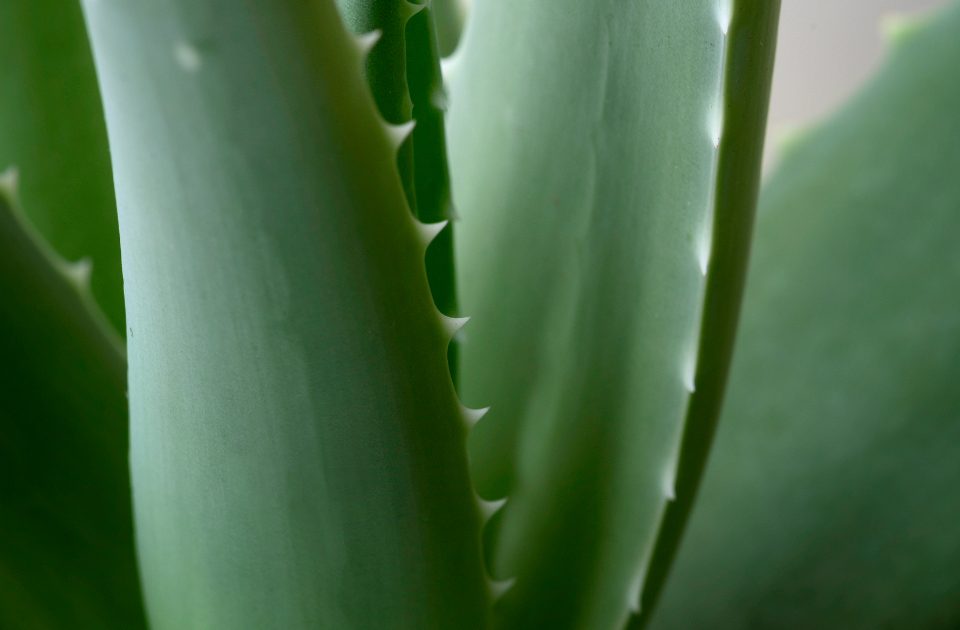
- Aloe vera gel: widely used for its cooling and soothing properties; look for pure aloe with minimal added fragrance or alcohol
- Fragrance-free moisturizer: applied gently once the initial heat has subsided, to support the skin barrier
- Loose, soft clothing: reduces friction on tender skin
- Continued hydration: extra water intake supports the body’s healing and fluid balance
Moisturizing should generally wait until the skin has cooled down somewhat, since sealing in heat too early with a thick product can trap warmth and increase discomfort.
What to Avoid
Several popular home remedies are not supported by evidence and can actually slow healing or cause additional irritation.
- Butter or oil-based remedies: can trap heat and increase burn severity; not recommended
- Ice directly on skin: can cause additional tissue damage on already-injured skin
- Petroleum-based products before healing begins: can trap heat similarly to oils
- Popping blisters: increases infection risk and slows healing
- More sun exposure before fully healed: significantly increases damage risk on compromised skin
How to Apply This: A Simple Recovery Routine
A consistent, gentle routine over the following days supports comfortable healing.
- Day 1: Cool showers/compresses, hydrate well, aloe vera gel, avoid further sun exposure, consider an anti-inflammatory for discomfort
- Days 2-3: Continue gentle moisturizing with fragrance-free products, keep skin covered from sun, monitor for signs of infection or worsening symptoms
- Days 4-7: Skin may begin peeling as damaged cells shed; continue moisturizing, resist picking at peeling skin, keep the area protected from sun
- Ongoing: Once healed, prioritize prevention with broad-spectrum SPF 30 or higher for future sun exposure
Peeling is a normal part of the healing process and generally should not be manually sped up, since doing so can expose sensitive, not-fully-healed skin underneath.
When to Seek Medical Care
Most sunburns can be managed at home, but some warrant professional medical attention. Seek care if you experience extensive blistering, signs of infection (increasing pain, pus, spreading redness, fever), severe pain, dizziness, confusion, or symptoms of heat exhaustion or heatstroke alongside the burn, which can indicate a more serious condition requiring prompt treatment.
Sunburn in infants, young children, or covering a large portion of the body also generally warrants a call to a healthcare provider, since these cases carry higher risk of complications.
How long does a sunburn take to heal?
Mild to moderate sunburns typically improve within 3-7 days, though peeling and some sensitivity can continue for a week or two afterward, depending on burn severity.
Does aloe vera actually help sunburn?
Aloe vera is widely recommended for its cooling and moisturizing properties, and many people find it soothing, though robust clinical evidence for accelerating healing specifically is more limited than its popularity might suggest. It remains a low-risk, generally well-tolerated option for comfort.
Can I still be at risk of skin damage on a cloudy day?
Yes. Up to a significant portion of UV rays can penetrate cloud cover, which is why sunburn is possible even on overcast days. Daily broad-spectrum sunscreen is recommended regardless of visible sunshine.
Why does sunburn sometimes get worse a day after sun exposure?
The inflammatory response to UV damage typically peaks 12-24 hours after exposure, not immediately, which is why sunburn often looks and feels worse the day after rather than right when it happened.
Is it safe to exercise or shower normally with a sunburn?
Light activity is generally fine, but intense exercise that causes heavy sweating on burned skin can increase irritation and discomfort. Showers are fine and often helpful, but lukewarm to cool water is preferable to hot water, which can further dry out and irritate already-compromised skin.
Preventing Sunburn Going Forward
Prevention remains far easier than recovery. Applying a broad-spectrum sunscreen of SPF 30 or higher generously, and reapplying roughly every two hours or after swimming or heavy sweating, is one of the most effective and well-supported ways to reduce sunburn and long-term UV damage.
Seeking shade during peak UV hours, generally late morning through mid-afternoon, and wearing protective clothing, wide-brimmed hats, and sunglasses adds additional protection beyond sunscreen alone. Many dermatology guidelines emphasize combining several of these strategies together rather than relying on any single method, since no single approach blocks all UV exposure perfectly.
People with fair skin, a history of sunburns, or a family history of skin cancer should be especially diligent about these precautions, and periodic skin checks with a dermatologist are a reasonable step for monitoring any changes in moles or skin texture over time.
Affiliate & medical disclosure: This review is independent and for information only, not medical advice. Some links may be affiliate links; we may earn a commission at no cost to you, which never affects our score. Consult a licensed provider before starting any product.