The Truth About Seed Oils: Separating Evidence From Fear-Mongering
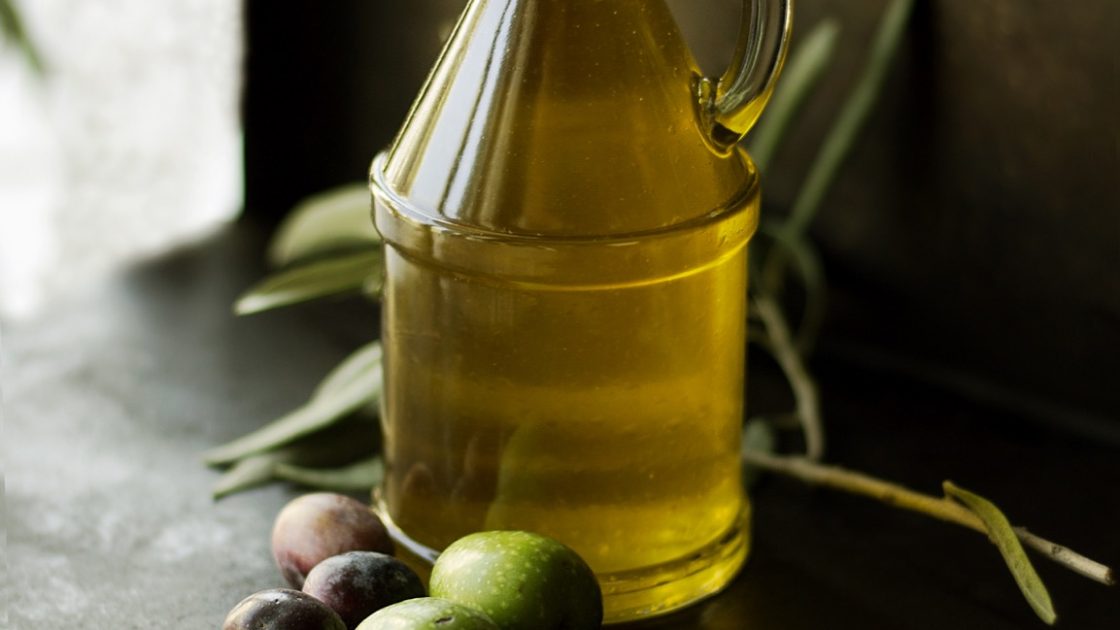
Few topics in nutrition generate as much heated debate right now as seed oils. Scroll through social media and you’ll find confident claims that oils like canola, sunflower, and soybean are secretly poisoning the food supply — claims that go well beyond what current research actually supports.
At the same time, dismissing all concerns outright isn’t the right response either. The honest answer sits in the middle: seed oils aren’t the villains some corners of the internet claim, but that doesn’t mean unlimited amounts of any processed oil are ideal either.
What Seed Oils Actually Are
Seed oils are vegetable oils extracted from the seeds of plants like canola (rapeseed), sunflower, soybean, corn, and grapeseed. They are generally high in unsaturated fats, particularly polyunsaturated fats including omega-6 fatty acids, and most are extracted using a combination of pressing and chemical solvents, then refined.
The core of the current controversy centers on omega-6 fatty acids, specifically linoleic acid, and claims that high omega-6 intake relative to omega-3 promotes inflammation. This idea has intuitive appeal but isn’t well supported by the strongest available evidence.
What the Evidence Actually Shows
The AHA has reviewed the evidence on seed oils and continues to recommend replacing saturated fats (butter, coconut oil, red meat fat) with unsaturated fats, including seed oils, for cardiovascular health, based on data linking this substitution to lower LDL cholesterol and reduced heart disease risk.
Research consistently shows that linoleic acid, despite being an omega-6 fat, does not reliably raise inflammatory markers in the way early theories suggested, and some studies have even found modest anti-inflammatory associations. This doesn’t mean seed oils are uniquely healthy, but the strongest claims of them being broadly harmful are not well supported by current large-scale evidence.
- The AHA specifically recommends unsaturated fats, including seed oils, over saturated fats for heart health.
- Concerns are more justified around the ultra-processed foods seed oils are often found in (fried fast food, packaged snacks) than the oils in isolation.
- Omega-3 intake (fatty fish, walnuts, flaxseed) remains valuable regardless of your seed oil consumption, since the omega-3/omega-6 balance can still matter for some health markers.
Where Legitimate Caution Applies
The bigger practical concern isn’t the oil itself but how it’s typically consumed — as part of deep-fried, highly processed foods eaten in large quantities. Repeated high-heat frying can also degrade oils and create harmful compounds, which is a legitimate reason to limit fried food, separate from concerns about the oil’s basic nutritional properties.
It’s also reasonable to prefer minimally processed oils like extra-virgin olive oil for some uses, both for flavor and because it comes with additional beneficial compounds like polyphenols, though this is a preference rather than evidence that seed oils are harmful.
Common Mistakes in This Debate
A common mistake on the anti-seed-oil side is citing observational associations between processed food consumption and disease as if they prove that a specific oil, rather than the overall dietary pattern, is the cause. Correlation in this context doesn’t establish that seed oils specifically are the problem.
On the other side, some assume any amount of seed oil in a processed food is automatically fine simply because it’s technically “unsaturated fat,” ignoring that the overall food (like a bag of fried chips) may still be low in nutritional value for reasons unrelated to the oil itself.
How Seed Oil Guidance Has Evolved
Dietary fat recommendations have shifted meaningfully over past decades, and it’s fair to acknowledge that earlier public health messaging sometimes oversimplified “fat is bad” in ways that didn’t hold up well, which partly explains why skepticism toward official guidance persists today. However, the more recent and nuanced consensus — favoring unsaturated fats over saturated fats specifically, rather than avoiding all fat — has a stronger and more consistent evidence base behind it.
This history is a useful reminder to evaluate current claims about seed oils on their own evidence rather than assuming either “experts have always been right” or “experts have always been wrong.” The specific claim that ordinary dietary amounts of seed oils cause meaningful harm in humans remains unsupported by the strongest available research, even as nutrition science continues to refine its understanding of dietary fats overall.
Reading Ingredient Lists With Context
Rather than scanning for the presence of any seed oil and treating it as a red flag, it’s more useful to evaluate the whole product. A packaged food with seed oil, whole grains, and moderate sodium and sugar is a very different nutritional proposition than a product where seed oil is one of several signals of heavy processing alongside high amounts of refined sugar, sodium, and low fiber.
This kind of whole-product thinking, generally encouraged by the Academy of Nutrition and Dietetics, tends to be more useful for everyday decision-making than fixating on a single ingredient, since overall dietary pattern has a much larger and more consistently demonstrated influence on long-term health outcomes than any one fat source in isolation.
How to Apply This: A Balanced Approach
- Use a variety of oils — olive oil for salads and lower-heat cooking, and other oils like canola or avocado for higher-heat cooking where their smoke point is useful.
- Limit fried and ultra-processed foods generally, not because of the oil alone, but because of the overall nutritional profile of these foods.
- Include omega-3 sources like fatty fish, walnuts, chia, and flaxseed a few times a week regardless of your seed oil use.
- Don’t panic over seed oil in packaged foods in reasonable amounts as part of an otherwise balanced diet.
If you have specific health conditions related to inflammation or heart disease, discuss your overall dietary fat pattern with a registered dietitian or physician rather than making decisions based on social media claims alone.
Are seed oils inflammatory?
Current research does not strongly support the claim that seed oils, specifically the linoleic acid in them, meaningfully increase inflammation in most people at typical dietary intakes.
Should I avoid canola and vegetable oil entirely?
Major health organizations like the AHA do not recommend avoiding them and instead suggest they can be a reasonable substitute for saturated fats as part of a balanced diet.
Is olive oil healthier than seed oils?
Extra-virgin olive oil offers additional beneficial compounds like polyphenols and is well supported by research, particularly in Mediterranean-style diets, but this doesn’t mean seed oils are unhealthy — both can fit into a healthy diet.
What’s the real problem with fried food?
The concern is more about the overall nutritional profile of fried, ultra-processed foods — often high in calories, refined carbs, and sodium — rather than the cooking oil being uniquely dangerous.
Affiliate & medical disclosure: This review is independent and for information only, not medical advice. Some links may be affiliate links; we may earn a commission at no cost to you, which never affects our score. Consult a licensed provider before starting any product.