Yoga for Stress Relief: 6 Gentle Poses You Can Do Anywhere
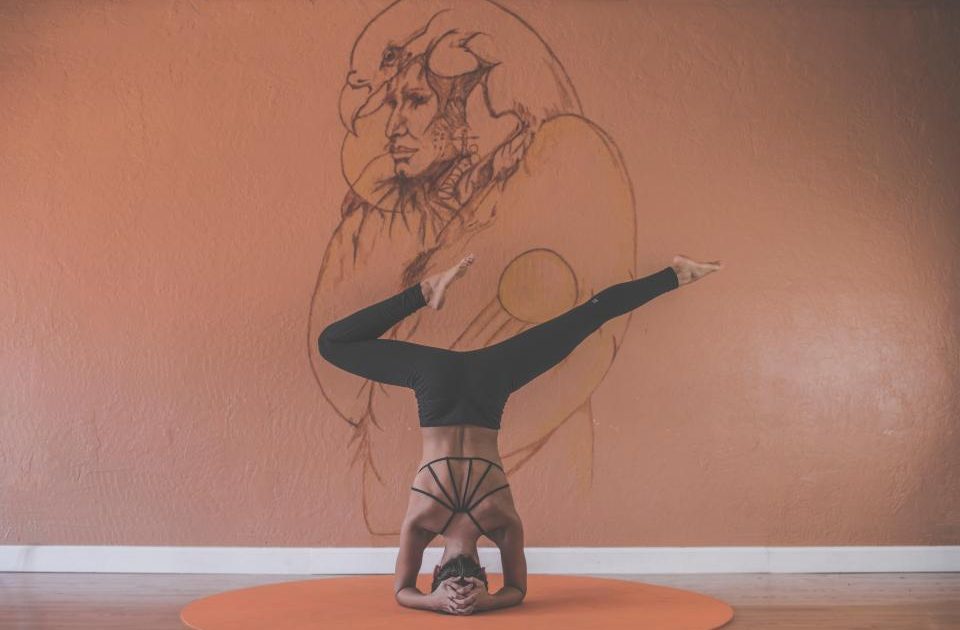
You don’t need to be flexible, own a fancy mat, or know a word of Sanskrit to use yoga for stress. A few gentle poses, paired with slow breathing, can genuinely down-shift your nervous system in minutes — no studio required.
Below are six beginner-friendly poses you can do almost anywhere, plus the breathing technique that does most of the actual stress-relief work.
How yoga calms the nervous system
Slow, mindful movement combined with long exhales activates the parasympathetic ‘rest and digest’ branch of your nervous system — the opposite of the fight-or-flight stress response. That’s why even a few minutes can leave you noticeably calmer and clearer-headed.
Six gentle poses to try
Move slowly, breathe deeply, and hold each for five to ten slow breaths. Never force a stretch — ease to the first point of gentle tension, not pain.
- Child’s pose — a restful forward fold
- Cat-cow — gentle spinal mobility
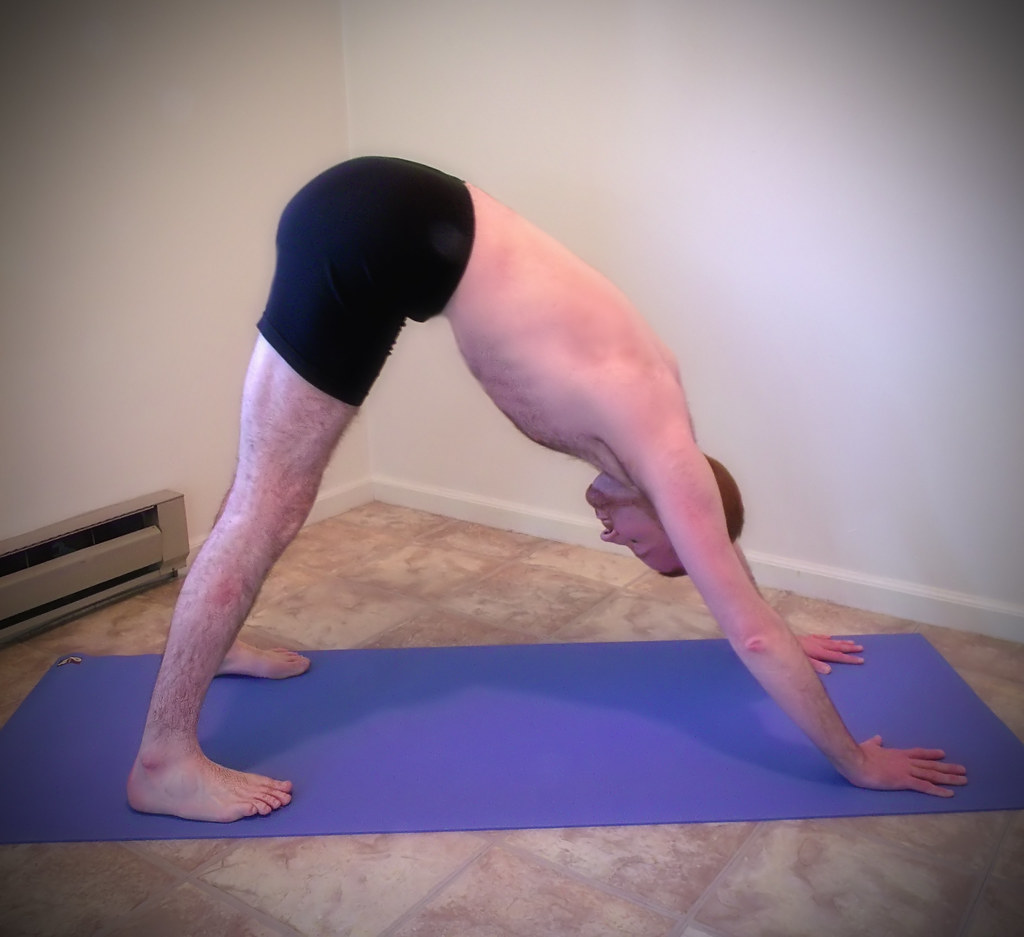
- Standing forward fold — releases the back and hamstrings
- Legs-up-the-wall — deeply calming, great before bed
- Seated spinal twist — eases a stiff back
- Reclined butterfly — opens the hips and chest
Let the breath lead
The real stress relief comes less from the poses and more from the breathing. Make each exhale longer than the inhale — try inhaling for four counts and exhaling for six. That longer exhale is a direct signal of safety to your nervous system, and you can use it any time, with or without the poses.
Two minutes counts
You don’t need a full class to feel the benefit. Two or three poses during a stressful afternoon — even just legs-up-the-wall with slow breathing — can reset your state. Frequency beats duration when you’re using yoga to manage stress.
Build a tiny daily habit
Rather than aiming for a weekly hour-long class you may skip, try a two-to-five-minute sequence most days, attached to an existing cue like the end of your workday. Small and consistent wins.
A note on safety
Yoga is gentle, but listen to your body. Move slowly, avoid pushing into sharp pain, and check with a healthcare provider first if you’re pregnant, recovering from an injury, or managing a medical condition.
Frequently asked questions
Do I need to be flexible to do yoga?
No. Flexibility is a result of practice, not a requirement to start. Gentle poses meet you where you are.
How long should a stress-relief session be?
Even two to five minutes helps. A few poses with slow breathing beats skipping it because you don’t have time for a full class.
What’s the most important part for stress?
The breathing — specifically, making your exhale longer than your inhale, which signals your nervous system to relax.
The takeaway
Keep it gentle and unhurried. A few poses paired with long, slow exhales can calm you in minutes — the goal isn’t a perfect pose, it’s a steadier, quieter you. Two minutes most days will do more than an occasional perfect class.
Affiliate & medical disclosure: This review is independent and for information only, not medical advice. Some links may be affiliate links; we may earn a commission at no cost to you, which never affects our score. Consult a licensed provider before starting any product.